
Last updated November 20, 2026
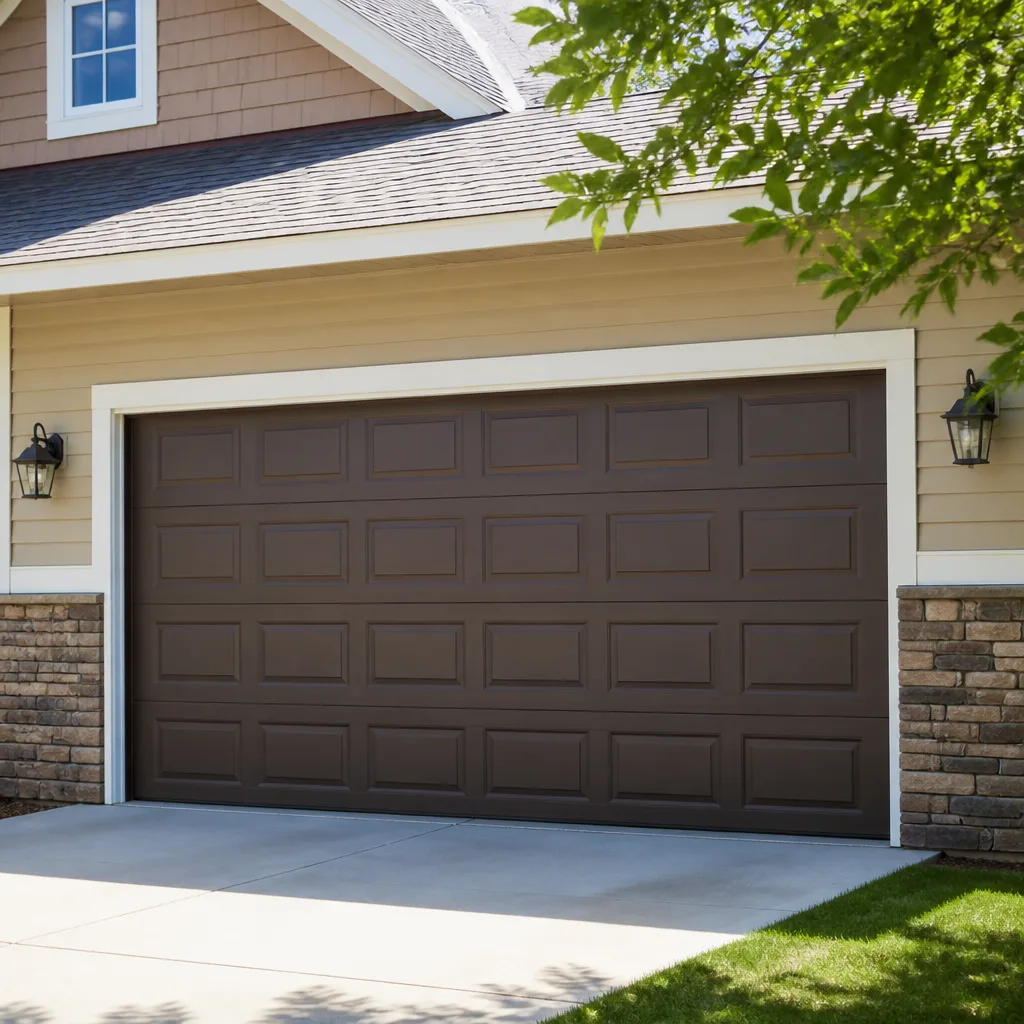 Raised-panel steel
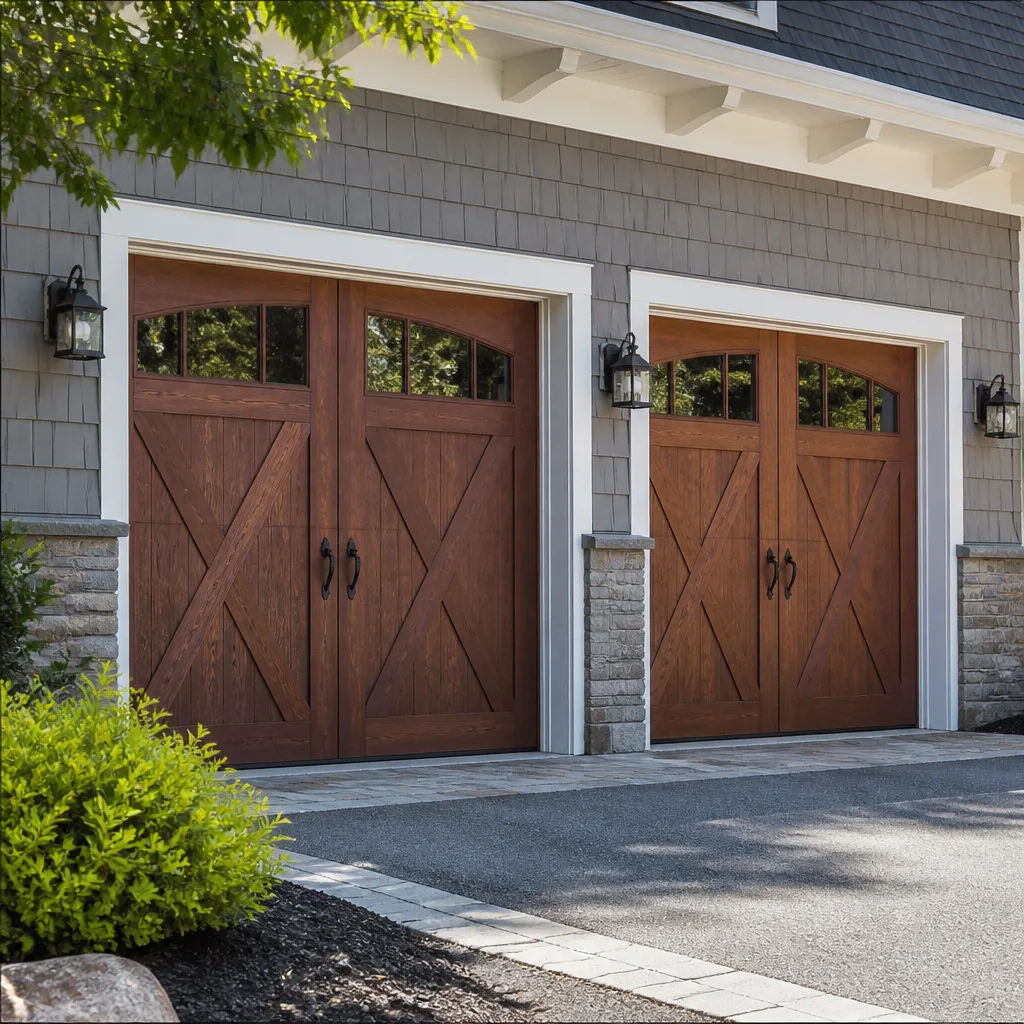 Carriage house
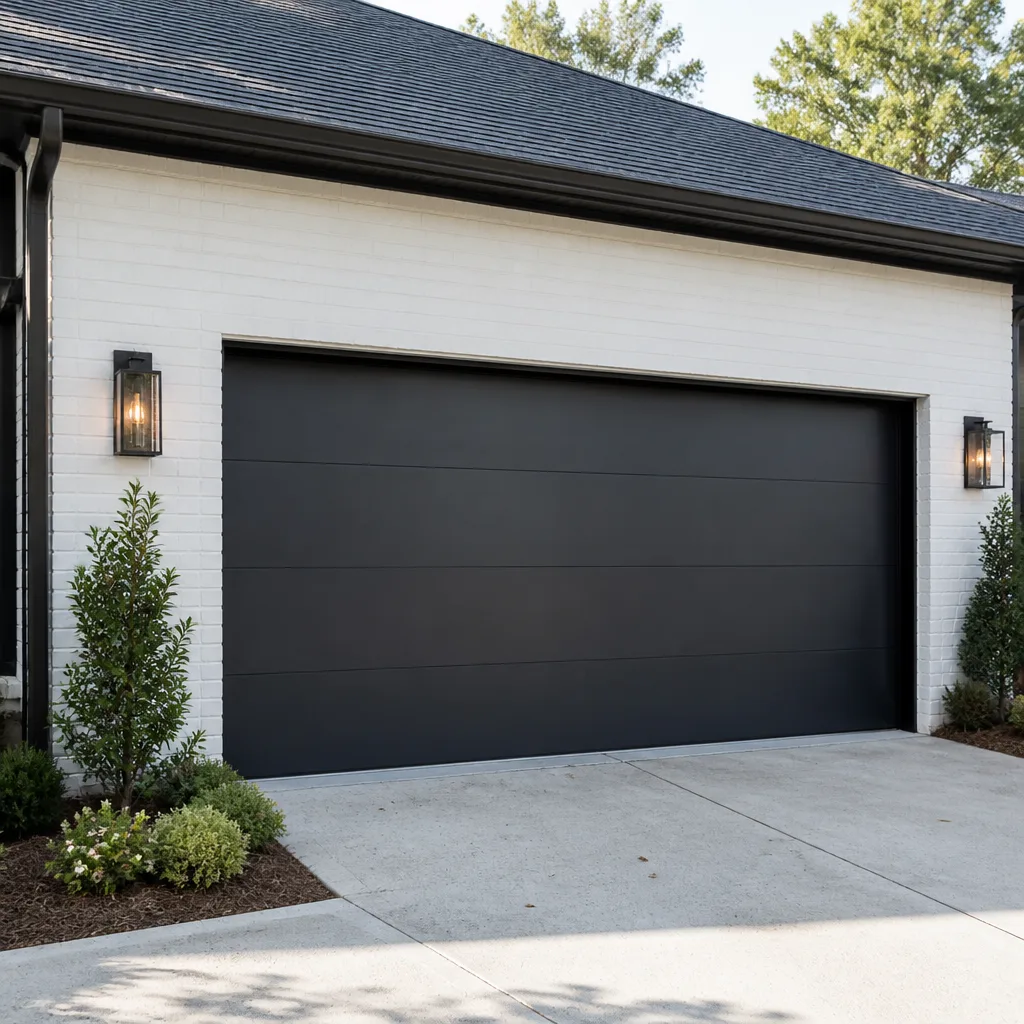 Modern flush
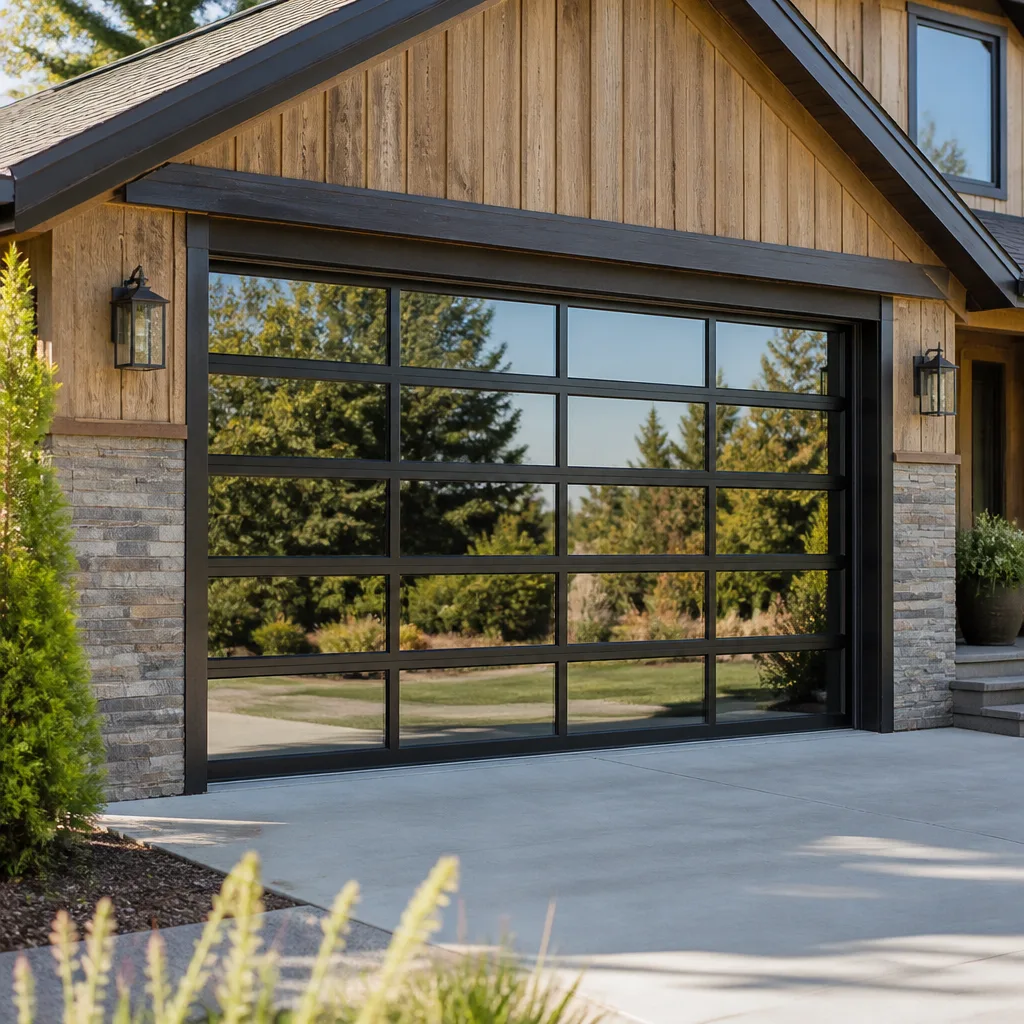 Full-view glass
 LiftMaster openers
 Chamberlain openers
Full 25-point door and opener safety check with every visit - springs, cables, rollers, tracks, and your LiftMaster or Chamberlain opener included
You get a price before we start. It does not change when the pro arrives.
Get your free estimateSeasonal Garage Door Care for Princess Anne: Year-Round Homeowner’s Guide
Most garage door maintenance guides hand you the same four-season calendar no matter where you live. Spring clean, summer check, fall tune, winter prep. That template was written for a climate that isn’t yours. In Princess Anne, the failures we see don’t line up with the seasons on a calendar. They cluster around three pressure points: the stretch before hurricane season in late spring, the peak humidity of August, and the hard freezes that show up without warning in January. By the time September arrives, doors that skipped summer attention are already running on weakened springs and dried-out weatherstripping. This guide reorganizes garage door care around those actual local stress points, with a month-by-month calendar, the adjustments that matter most here, and clear guidance on when to stop and call someone.
Quick Answer
In Princess Anne, garage door maintenance should follow three local peaks rather than a generic four-season rhythm: a pre-hurricane readiness check in late spring (bracing, manual release, weatherstripping), humidity management through July and August (swollen wood panels, expanded metal tracks, track and roller adjustments), and a fall tune-up before the first hard freeze stiffens cables and thickens lubricant. Winter calls for keeping ice from bonding to the weatherstripping and never forcing a frozen door. Everything in between is monthly observation and lubrication.
Styles & brands we work with
- Raised-panel steel
- Carriage house
- Modern flush
- Full-view glass
- LiftMaster openers
- Chamberlain openers
Table of Contents
- Why Princess Anne Needs Its Own Seasonal Rhythm
- Late Spring: Pre-Hurricane Season Readiness
- Summer Humidity: What Swells, What Expands, What to Adjust
- Fall: The Ideal Tune-Up Window
- Winter: Ice, Cold Strain, and What Not to Force
- Month-by-Month Task Calendar for Princess Anne
- What Your Brand Needs in Each Season
- Common Mistakes to Avoid
- When to Call a Professional
Why Princess Anne Needs Its Own Seasonal Rhythm
Princess Anne sits in a part of Virginia where the summer air holds more moisture than most of the country, where the ground can freeze hard enough to shift a driveway slab, and where the Atlantic hurricane season runs from the start of summer into late fall. Each of those forces pushes on a different part of your garage door. Humidity works on wood and steel. Frost works on seals and lubricant. Storm season works on the whole assembly at once, and only matters if the door was sound before it arrived.
That’s why the generic advice to “check your door in spring and fall” undersells the job. A fall tune-up in Princess Anne isn’t about preparing for winter alone. It’s the last clear window before cold stiffens cables and before the tail end of hurricane season tests whatever the summer left behind.
The practical takeaway is that maintenance here has three real checkpoints and one continuous habit:
- Late spring: storm readiness. Bracing, manual release testing, weatherstrip integrity.
- Midsummer: humidity correction. Track adjustment, panel swelling, roller wear.
- Fall: the tune-up window. Lubrication, balance, cable inspection before cold sets in.
- Year-round: the monthly five-minute look (visual check, listen to the door, test the safety reverse).
Everything in this guide hangs off that framework. If your door is currently making noise, dragging or slow to respond, it’s worth starting with Garage Door Repair Princess Anne before working through a maintenance checklist, because a door that’s already failing needs repair first and upkeep second.
Late Spring: Pre-Hurricane Season Readiness
The most important pre-storm work on a garage door isn’t done in a hurricane. It’s done weeks before, when the weather is calm and a technician can actually test the door under load. In Princess Anne, late spring is when that window opens. The goal is to find what’s already loose, worn or weak so the first serious wind event doesn’t expose it.
Here’s the ordered sequence we recommend for a homeowner’s pre-hurricane check:
- Test the manual release. Pull the red release handle (with the door fully closed, never while it’s up) and lift the door by hand. It should move with steady resistance and stay put when you let go at the halfway point. If it drops, the springs or cables are compromised.
- Inspect the weatherstripping. Look at the bottom seal and the perimeter trim. Any splits, brittleness or gaps let wind-driven rain and air pressure inside. Replace worn seals before the season, not after.
- Check the door’s balance. With the door disengaged from the opener, lift it to waist height and let go. A balanced door holds roughly where you leave it. A door that slams down needs spring work.
- Look at the track and hinges. Loose hinge screws and misaligned track segments are the first things a strong wind exploits. Tighten what’s loose, but don’t overtighten track brackets.
- Confirm the opener’s safety reverse. Place a piece of wood flat on the floor in the door’s path and close it. The door should reverse on contact. Test the photo-eye sensors too, since a misaligned beam is a common cause of a door that won’t close at all.
- Brace the door if it’s a single-panel or older wood door. Reinforcement kits or a horizontal brace bar add rigidity for doors that flex under pressure.
If any of those tests come back wrong, don’t push through to the next item. Damaged springs and cables are the one thing on that list you should never adjust yourself. Springs and cables are under extreme tension, and the springs are the most dangerous part of any garage door. A trained technician should handle them. That covers garage door repair on any spring or cable issue, and any tune-up on a door that fails the balance test.
A final habit for the season: if a storm is forecast, close and lock the door rather than leaving it partly open with the opener engaged. A locked door resists pressure far better than one the opener is holding.
Summer Humidity: What Swells, What Expands, What to Adjust
Princess Anne summers are humid, and that humidity does two things to a garage door at once. It works on wood panels one way and on steel track another. Understanding the difference is the key to not overcorrecting.
Wood doors swell. A solid wood or wood-composite door absorbs moisture through the panels over July and August. Panels expand slightly, joints tighten, and a door that ran quietly in April may start to bind or rub. The fix isn’t to force it. It’s to confirm the door is still balanced and to loosen nothing under tension. If a wood door is binding consistently, a technician can rebalance or adjust the hinges. A quality wood-composite door from a brand like Clopay or Amarr will handle humidity better than older solid-wood construction, but none are immune.
Metal tracks expand and shift. Steel tracks move a little in heat, and the brackets that hold them can loosen over a humid summer as expansion works against the fasteners. The symptom is a door that rubs on one side, or a roller that rides the edge of the track instead of the center.
Here’s what to adjust in midsummer, in order:
- Rollers: check each roller for wear or flat spots and for a fit that isn’t snug in the track. Replace worn nylon rollers before they grind the track.
- Track alignment: a track that’s out of plumb will rub. Track brackets can be gently adjusted only if you’re certain of the door’s balance. If the track is visibly bent, have it serviced rather than bent back by hand.
- Hinges and bolts: humidity loosens fasteners. A quick pass with a wrench on the hinge plates and the track brackets is the single best summer habit.
- Lubrication: a light coat on hinges, rollers and the torsion spring (never on the track itself) keeps things smooth. Use a garage-door lubricant, not a general-purpose oil that attracts grit.
If the opener itself is sluggish in the heat, that’s a different problem, and it’s often a sign the motor is straining against a door that’s gone out of balance. That’s the point to look at garage door opener repair rather than keep adjusting the door. A smart opener from LiftMaster, Chamberlain or Genie will usually tell you what’s wrong through its app or diagnostic light code. An older legacy system won’t, and that’s where an experienced eye earns its keep. Our technicians have up to 15 years of experience with both kinds.
Fall: The Ideal Tune-Up Window
If you only do one full tune-up a year in Princess Anne, do it in fall. The reason is mechanical. As temperatures drop, lubricants thicken, cables stiffen, and metal contracts slightly. A door that was smooth in August can feel tight by the first cold morning. Getting ahead of that in October, before the cold settles in, prevents the small issues from becoming winter failures.
A proper fall tune-up covers, at minimum:
- Balance and spring test: the door should hold at mid-height with the opener disengaged.
- Cable inspection: look for fraying, slack or kinks. A stretched or worn cable is a safety issue, not a maintenance item. Don’t touch it.
- Full lubrication: hinges, rollers, springs and the opener’s rail. Wipe off excess so it doesn’t collect grit.
- Weatherstrip review: the bottom seal and side seals take the most abuse from humidity and heat. Replace anything brittle before winter freezes it solid.
- Opener check: test the safety reverse, the force limits and, if it’s a smart opener, run any diagnostic in the app.
- Fastener pass: tighten hinges, brackets and track bolts one last time before the cold.
The fall window also matters for a different reason. If your door is old enough to be on its last legs, fall is when a decision can be made comfortably rather than in the cold. If the door needs more than a tune-up, look at garage door installation and a full replacement so the new door is in place before winter. That gives you a clean start rather than a repair bill on a door that will fail again next summer.
A general note: whether you repair or replace, the price is set by the written estimate before anyone touches the door. There’s no surprise invoice at the end.
Winter: Ice, Cold Strain, and What Not to Force
The winters in Princess Anne don’t run as long as New England’s, but they get cold enough for the ground to freeze and for moisture to bond a garage door seal to the concrete. The two failure points are ice under the weatherstripping and cold strain on the opener and cables.
Here’s what to do, and what never to do:
- Keep ice from bonding. A thin coat of silicone or a weatherstrip lubricant on the bottom seal in late fall prevents the seal from freezing to the floor. If it’s already bonded, don’t yank the door open with the opener. Break the seal free by hand first, gently.
- Never force a frozen door. If the door won’t move freely by hand, stop. Forcing it strains the opener, the springs and the cables, and can bend track. Thaw and free the door first.
- Watch the opener in cold. Cold thickens the lubricant on the rail and stiffens the drive belt or chain. A slower door on a cold morning is normal. A door that stops partway is not. If the opener sounds like it’s working hard, the door may be out of balance or the cable stiffened beyond what the opener should push.
- Inspect the cables for stiffening. Cold makes a worn cable more brittle. If you see fraying, don’t touch it. That’s a technician’s job.
- Keep the bottom of the door clear. Snow and ice packed against the seal during a freeze can leave a gap that lets in cold air and water. Clear it by hand with a plastic tool, never a metal shovel.
One local adjustment worth noting: the freeze that catches so many Princess Anne residents off guard in January is short and sudden. A door that sat through a mild November may see its first hard freeze in a single night. A quick look at the weather forecast and a pre-freeze check (lubricate, clear the floor, test the seal) saves the scramble of a door that won’t open in the cold.
Month-by-Month Task Calendar for Princess Anne
Here’s a calendar built around the local climate rather than a generic national template. Months outside it are monthly observation: a visual check, a listen, and a test of the safety reverse.
- March: Post-winter inspection. Check the seal for cracks from the freeze, listen for new noises, and test the opener’s full cycle.
- April: Pre-hurricane readiness begins. Test the manual release, check the balance, and note any failing weatherstripping for replacement.
- May: Complete the pre-hurricane checklist above. Replace bottom seals and side trim before the storm season.
- June: Test the door’s reverse and photo-eye sensors. Confirm the door locks properly against wind pressure. Note the first signs of humidity binding on wood doors.
- July: Humidity management. Tighten hinges and track brackets. Replace worn rollers. Lubricate hinges and springs, not the tracks.
- August: Peak humidity correction. Adjust track and roller fit if the door drags. Watch for a sluggish opener that suggests balance has shifted.
- September: Post-summer review. Any binding, noise or slow response that appeared over the summer gets looked at now, before temperatures drop.
- October: Fall tune-up. Full balance, lubrication and cable inspection. Replace anything showing wear.
- November: Pre-freeze prep. Coat the bottom seal with silicone, clear the floor, and confirm the weatherstripping sits tight to the ground.
- December through February: Monthly checks plus cold-weather handling. Never force a frozen door. Watch for a slow or straining opener in the cold.
Doing this in a Princess Anne home, you’ll notice the two most common “surprise” calls are both timing-related: doors that failed in the August humidity and doors that got sticky in the January freeze. Every month on this calendar is aimed at catching one of those before it strands a car in the driveway.
What Your Brand Needs in Each Season
The maintenance routine is roughly the same across brands, but the quirks differ, and knowing your brand’s pattern saves a lot of guessing. We work on eight of the most widely installed residential garage door and opener brands, and we’ve seen each one fail in its own way.
- Clopay and Amarr doors: these are mostly steel and composite. Watch the bottom seal and track alignment in the humid months. Steel’s relative stability is an advantage, but track expansion is still a summer issue.
- Wayne Dalton: some models use a proprietary hinge and roller setup. When those need replacing, use the right parts rather than a generic substitute. Fall is a good window to check the specific hinge wear.
- Craftsman openers: durable, with plenty of legacy analog systems still in service. The fall check is where an older Craftsman earns a diagnostic light-code review; a code can point straight to a sensor or travel-limit issue.
- LiftMaster, Chamberlain and Genie openers: these span smart-home units and older analog drives. In summer, use the app diagnostic when you have it. In winter, watch the belt or chain for cold stiffness and confirm the force limits haven’t drifted with the season.
- Raynor doors: worth checking the hardware torque in fall. Loose hardware is a common fall issue on any brand, and Raynor’s track and bracket layout is straightforward to inspect.
The point isn’t that one brand is better in the cold or in the humidity. It’s that the seasonal checklist from this guide looks slightly different on a Wayne Dalton door with a proprietary hinge kit than on a Clopay steel door. A specialist who knows the brand’s parts will spot the wear faster than a generalist. That’s the whole reason brands matter when the door goes wrong.
Common Mistakes to Avoid
- Following a generic four-season calendar. A December-January freeze is a real Princess Anne event, so treating winter as “not our problem” leaves the seal exposed. Aim the schedule at the local three-peak rhythm instead.
- Lubricating the tracks. A lubricated track attracts grit and speeds wear. Lubricate the hinges, rollers, springs and opener rail, not the track surface.
- Adjusting springs by hand. This is the single most dangerous mistake you can make. Springs and cables are under extreme tension, and the springs are the most dangerous part of any garage door. A trained technician should handle them.
- Waiting until a hurricane is forecast. Pre-season readiness is done in calm weather. Testing the manual release and weatherstripping in a storm is far riskier than doing it in April or May.
- Ignoring a door that drags in August. Binding in the humidity usually signals a balance or track issue. Left alone, it strains the opener and leads to a bigger repair by fall.
- Forcing a frozen door. If ice has bonded the seal to the concrete, forcing the door by opener or by hand is how springs, cables and track get damaged. Free it gently first.
- Skipping the opener diagnostics. A smart opener’s diagnostic log is the fastest way to catch a problem before it stops the door. Check the app or the light codes at each seasonal check.
When to Call a Professional
Some seasonal care is yours: testing the manual release, tightening hinges, lubricating, replacing a bottom seal. Some isn’t. Call a specialist when the balance test fails, when you see a frayed or slack cable, when a spring looks evenly spaced and undamaged versus one showing wear, or when the door won’t reverse on the safety test. Call if the door drags in humidity and track adjustment doesn’t fix it, if a frozen door has been forced and now binds, or if the opener strains on a cold morning and a simple lubrication hasn’t helped. Those are the scenarios where continuing to run the door makes the problem worse.
Garage Door Repair Princess Anne offers free estimates in Princess Anne – call (844) 676-0048 for a same-day look at a door that’s failing, or to book a fall tune-up before the cold. We answer 24/7. Fast dispatch from 7am to 7pm, Sunday through Friday.
See the difference
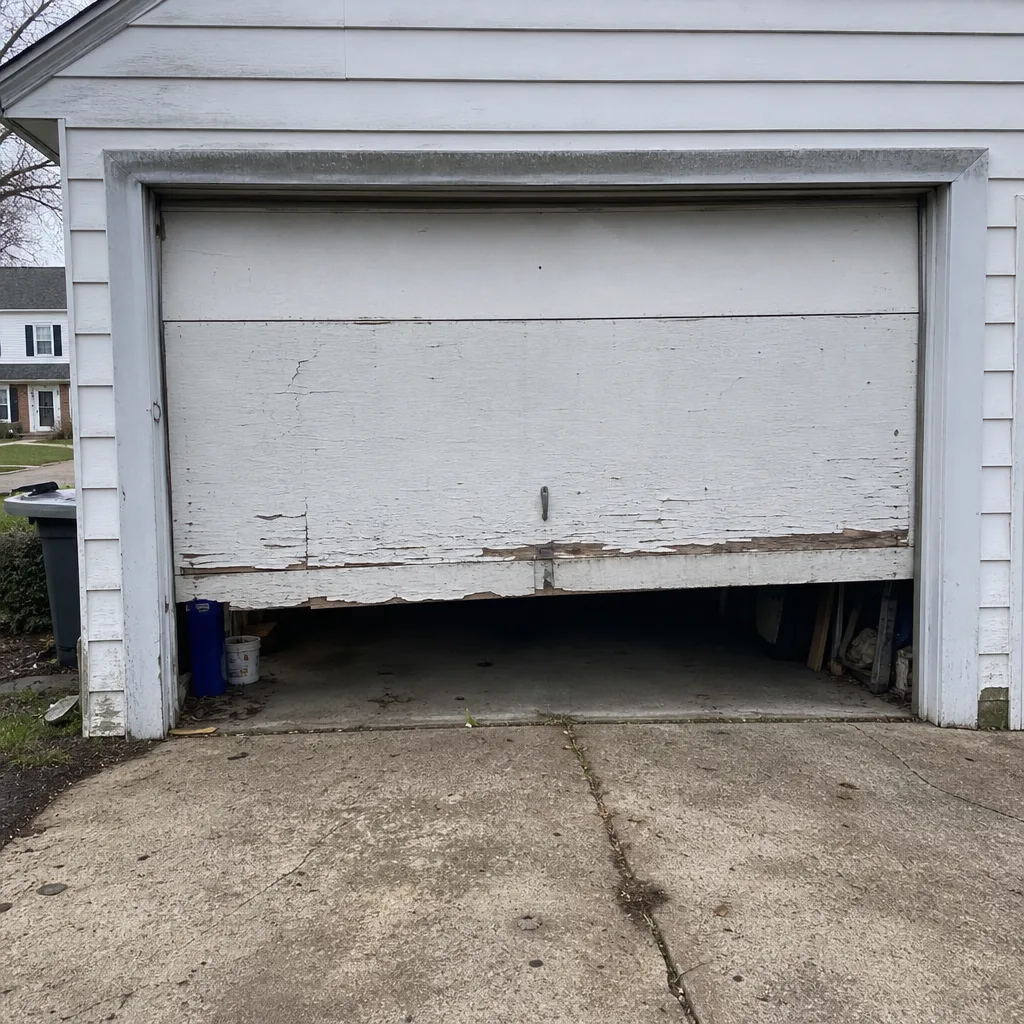 Before
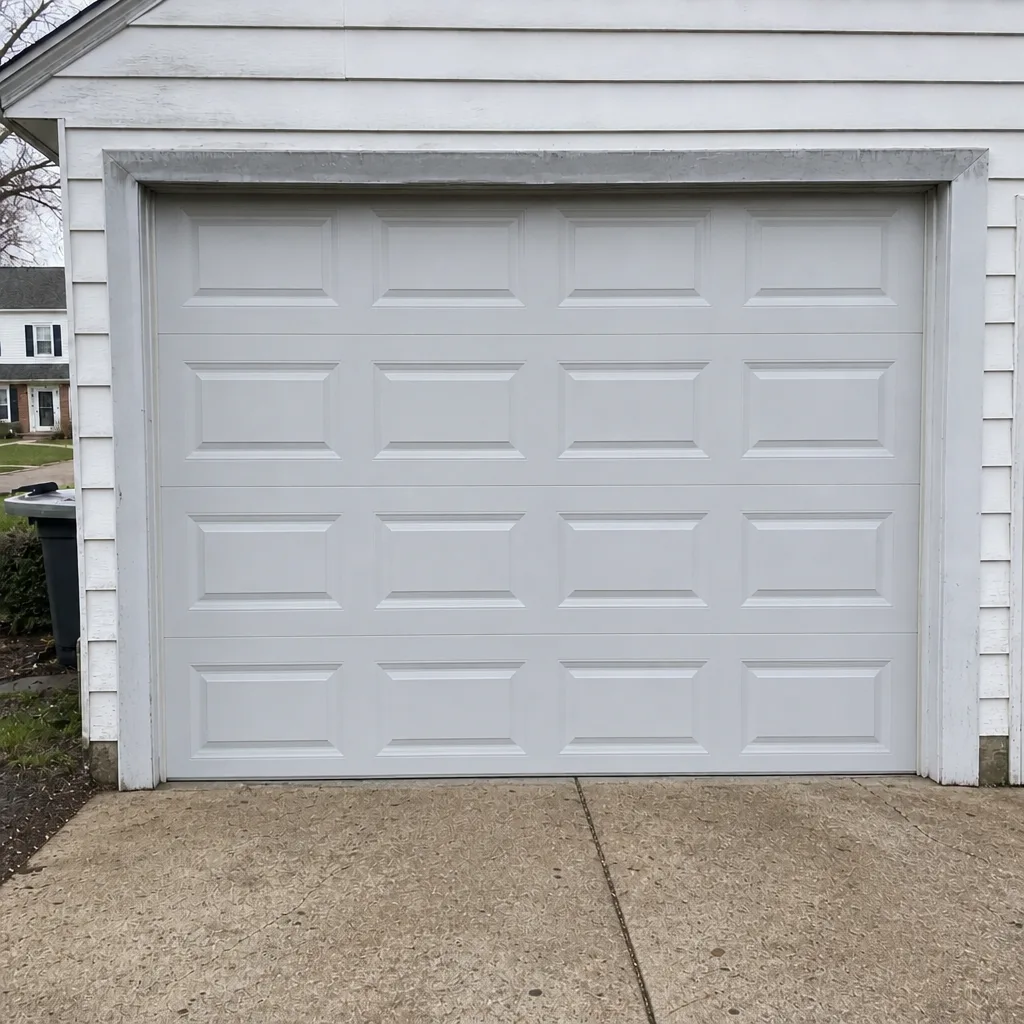 After
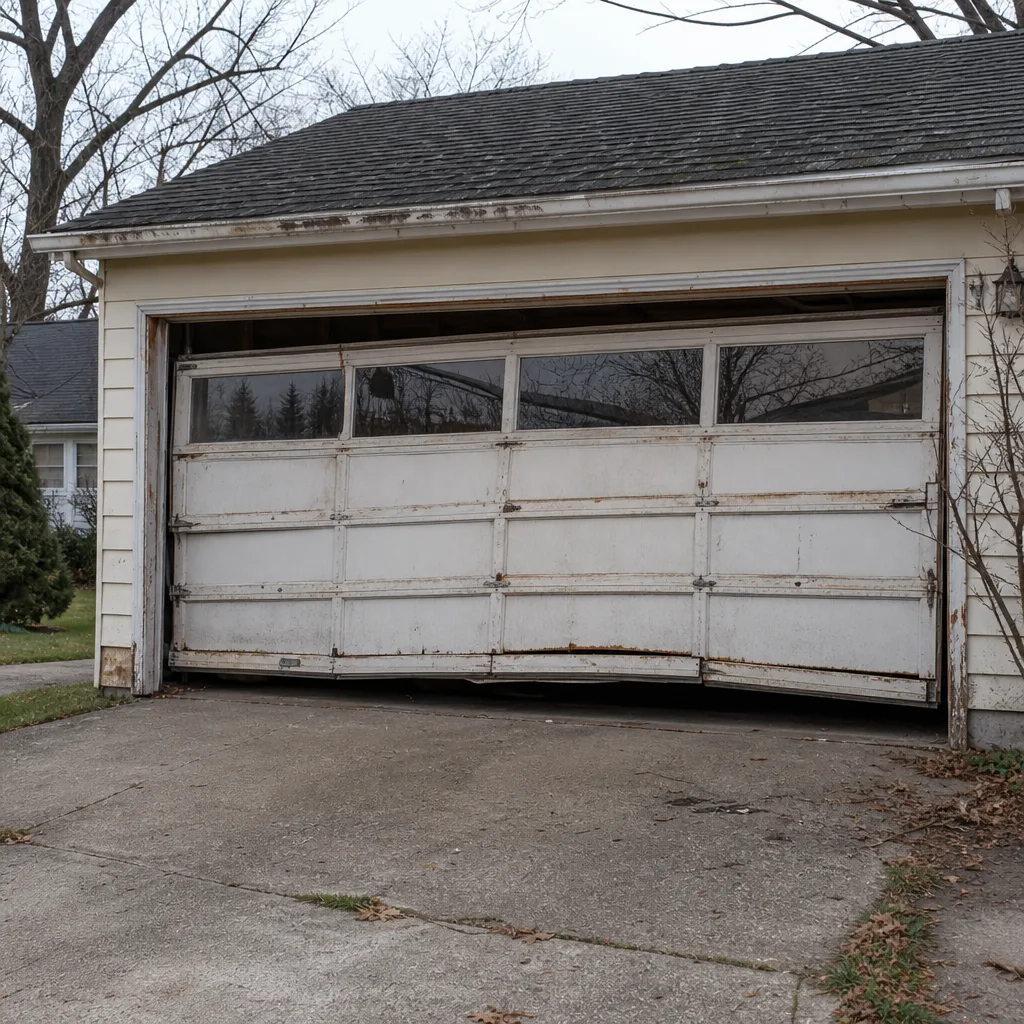 Before
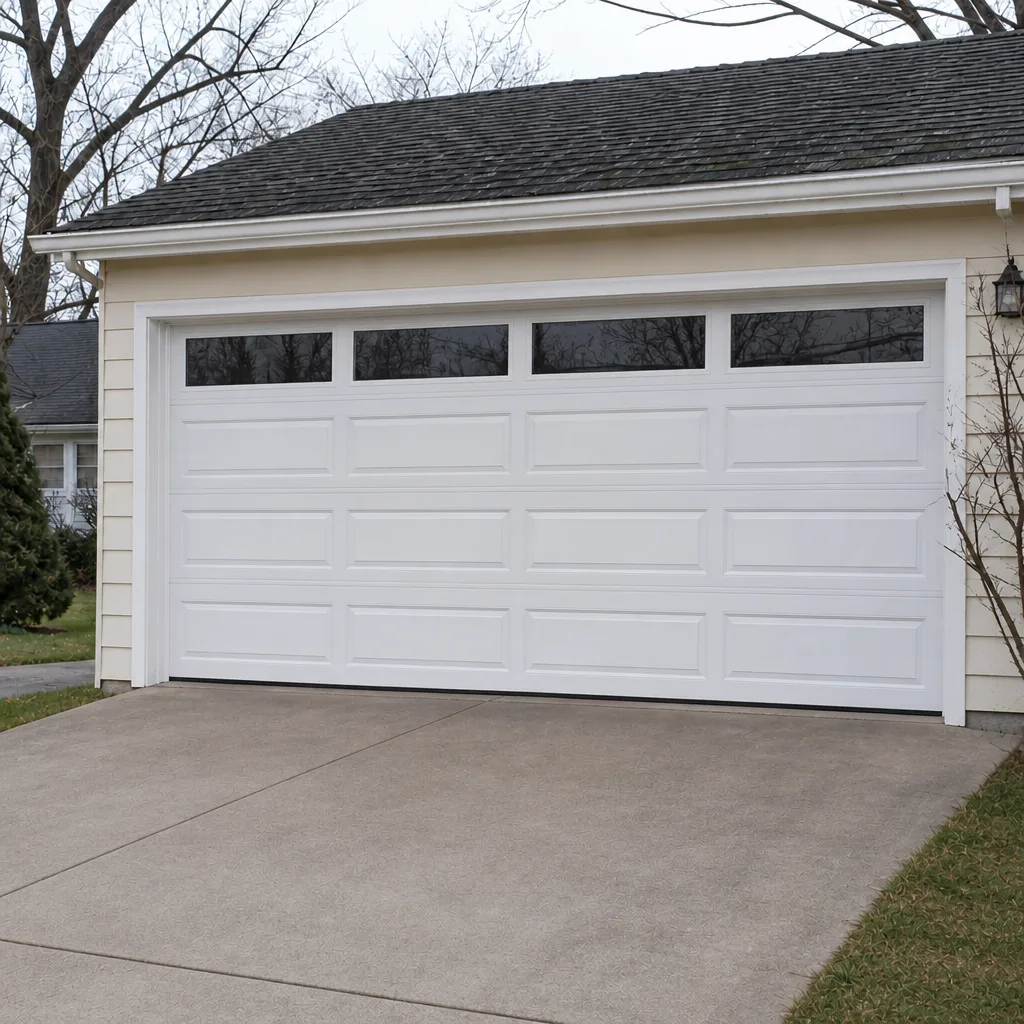 After
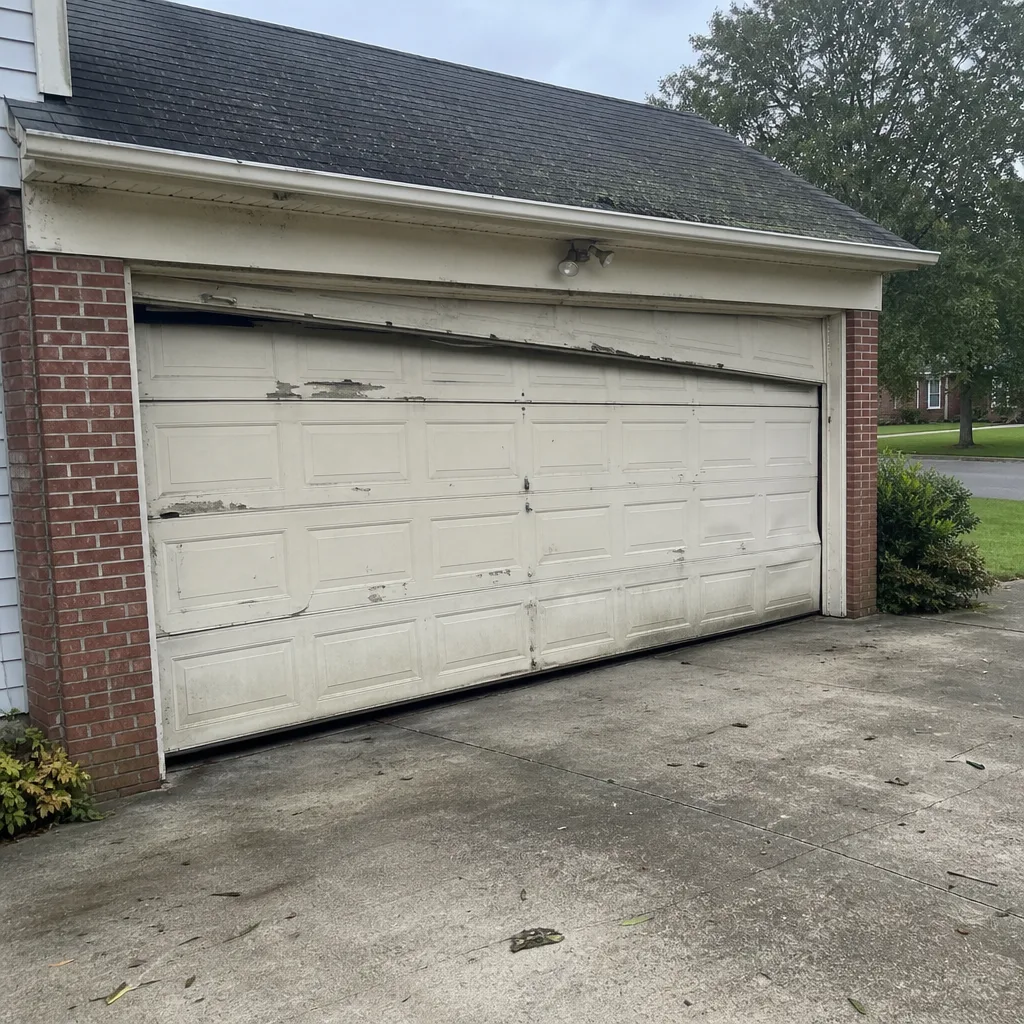 Before
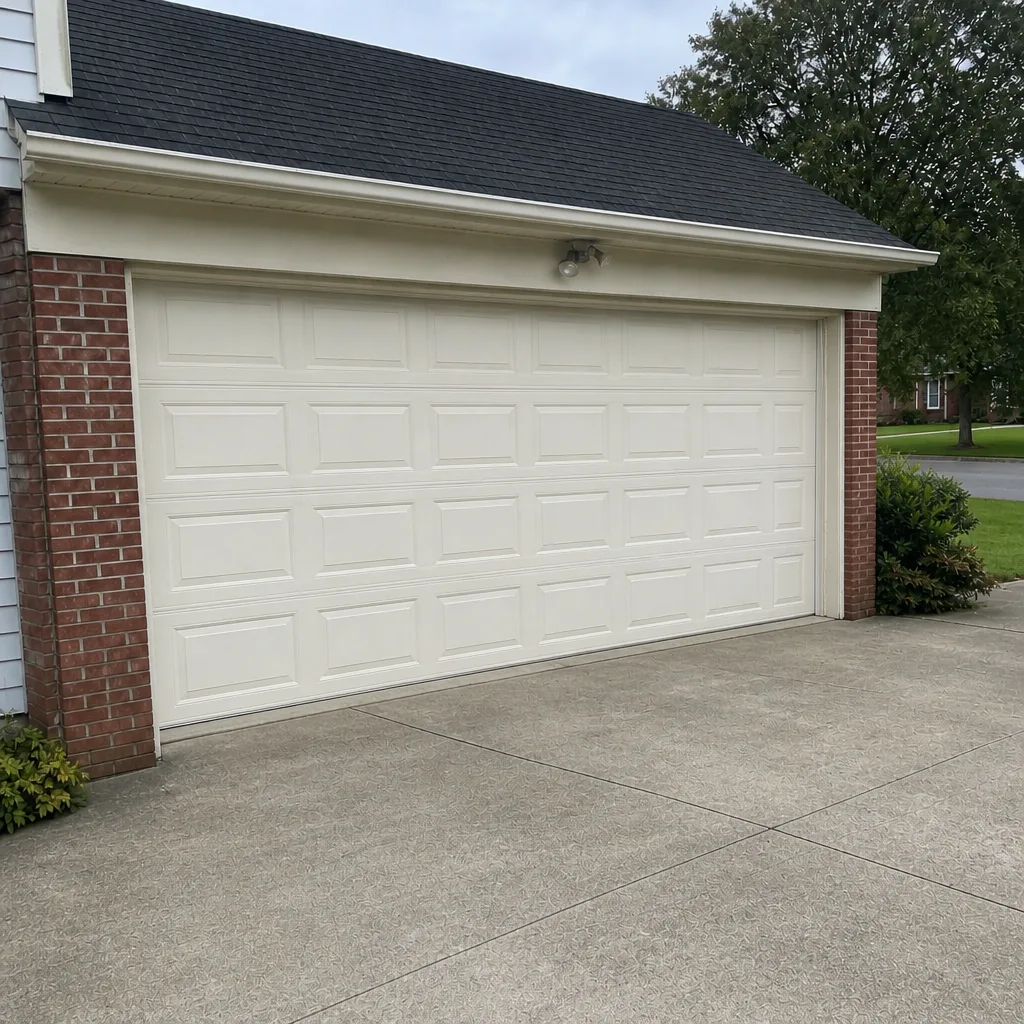 After
Frequently Asked Questions
Once a year for a full tune-up, done in fall, plus a pre-hurricane check in late spring and monthly visual checks. Princess Anne’s climate makes the spring check as important as the fall one because humidity and storm season both strain the door. If your door is older or on a wood or composite panel, a second check in late summer is worth it. Call (844) 676-0048 for a free estimate on a tune-up.
Because wood panels swell and metal tracks expand, and both change how the door balances. On a Princess Anne summer, the seams tighten on wood doors and the track brackets loosen on steel doors, so the door drags or rubs on one side. The fix is a track and roller adjustment, not brute force. If the door still sticks after a basic check, call (844) 676-0048 for a free estimate.
Yes, you can put a light coat of garage-door lubricant on the springs, but never adjust them. Springs are the most dangerous part of any garage door, under extreme tension. Lubricating a spring is fine. Turning, loosening or replacing one is not a homeowner job. Call (844) 676-0048 if the spring is the problem.
If the panels are sound and the problem is springs, opener or track, a repair usually makes sense. If the door is warped, badly rusted or has failed the same way twice in a year, replacement may be the better path. In Princess Anne, a full replacement can be scheduled before winter, and you get a clear written estimate so you can compare repair versus replacement. Call (844) 676-0048 for a free estimate on either.
Don’t force it. Break the seal free by hand with a plastic tool, then test the door by hand before using the opener. The most common cause in Princess Anne is ice bonding the bottom weatherstripping to the concrete. If the door still won’t open after it’s freed, the cables or springs may have stiffened. Call (844) 676-0048 if the door is stuck.
Yes. We work on LiftMaster, Chamberlain, Genie, Clopay, Amarr, Wayne Dalton, Craftsman and Raynor systems routinely, both legacy analog openers and newer Wi-Fi-integrated ones. Whether your opener is a decade old or just installed last year, we know the system. Call (844) 676-0048 to confirm the model and get a free estimate.
The Bottom Line
Garage door care in Princess Anne isn’t a four-season routine. It’s three checkpoints and a monthly habit. Test the door and the weatherstripping in late spring before hurricane season, adjust track, rollers and fasteners through the humid summer months, and use fall for the full tune-up before the cold stiffens cables and freezes the bottom seal. Keep a light coat of silicone on the seal in November, and never force a frozen door. Springs and cables stay out of homeowner hands. That framework catches the failures this climate actually produces, which is most of the battle. One call covers the whole door, whether it’s a tune-up, a repair or a full replacement.
Written by the team at Garage Door Repair Princess Anne.