
Last updated November 20, 2026
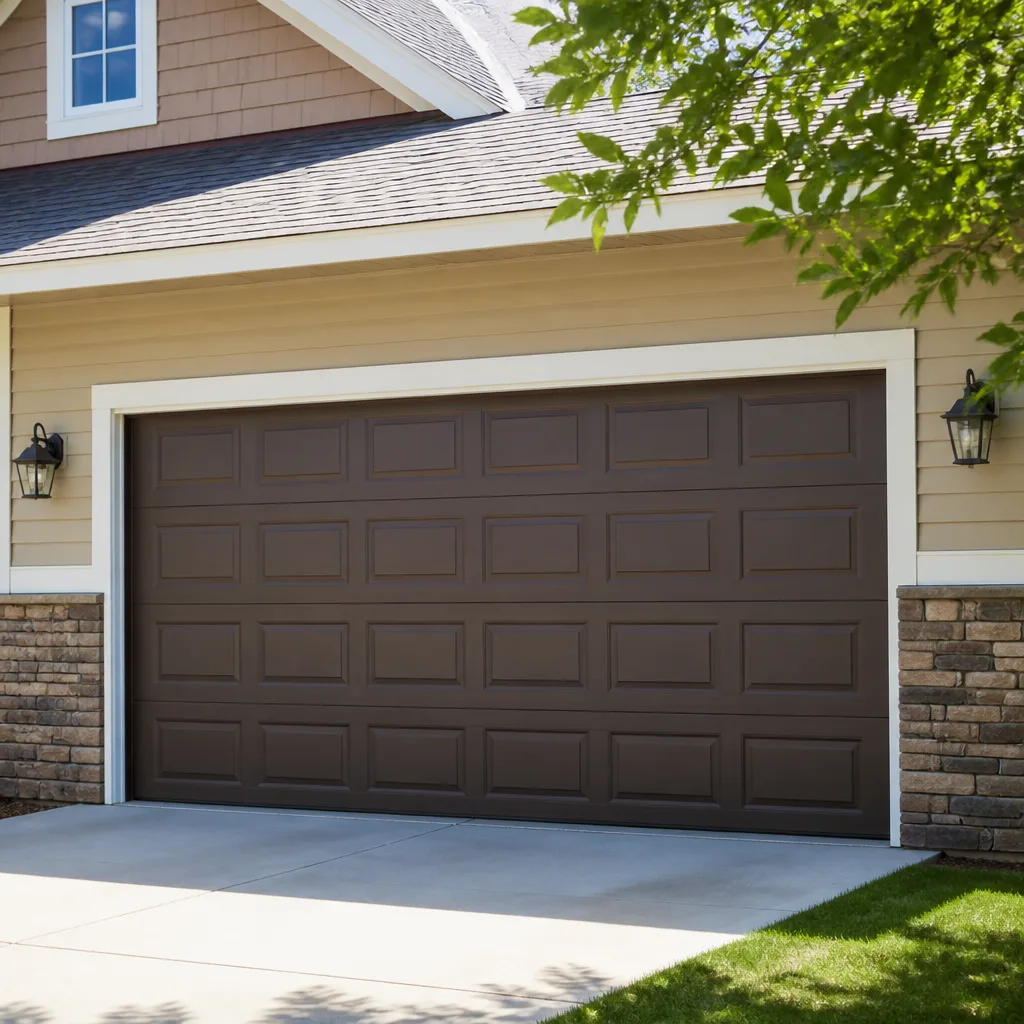 Raised-panel steel
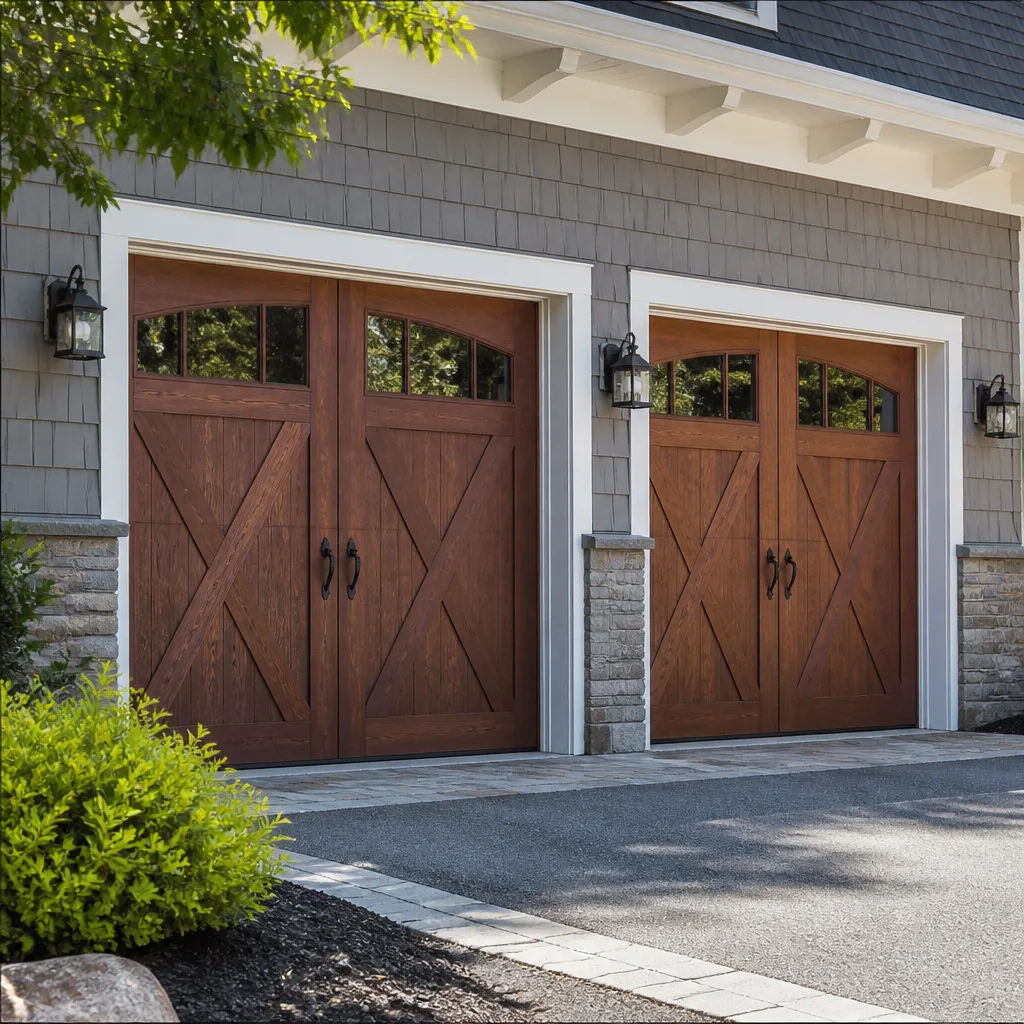 Carriage house
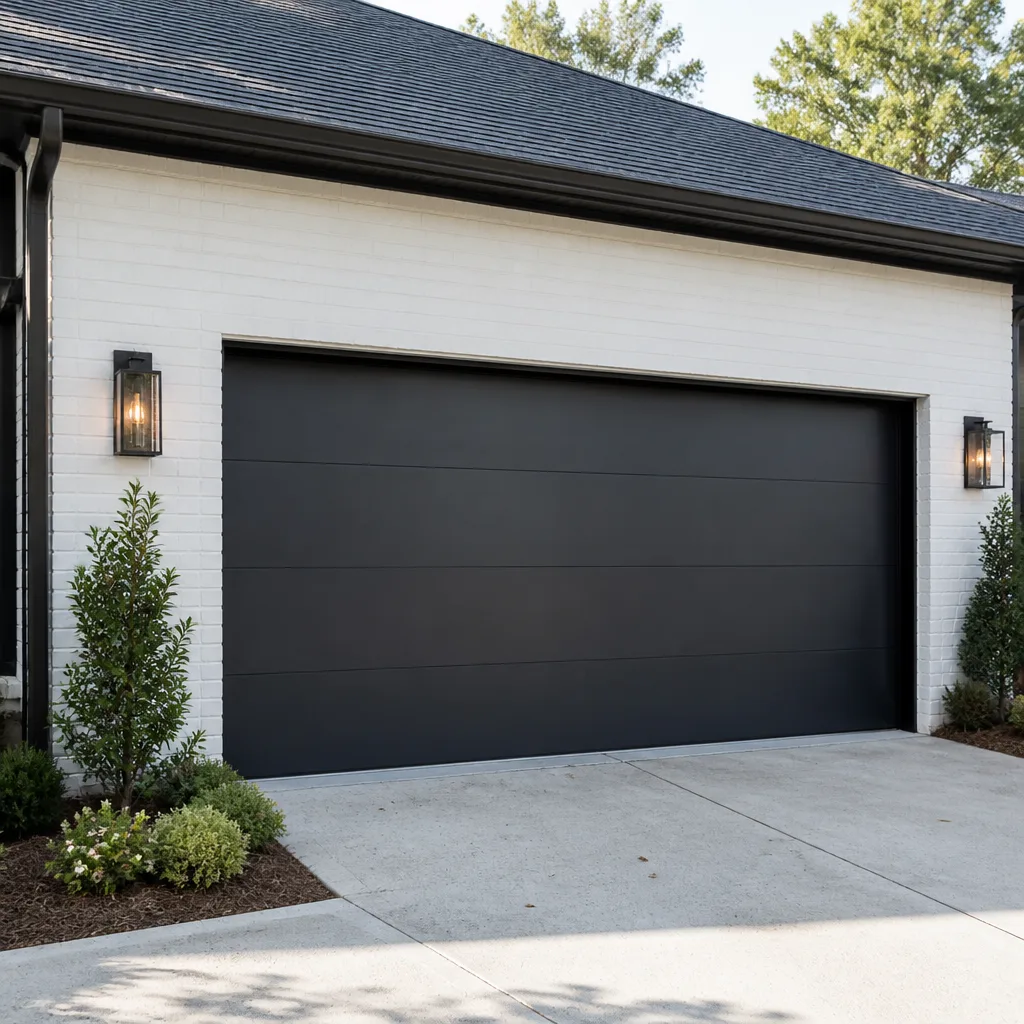 Modern flush
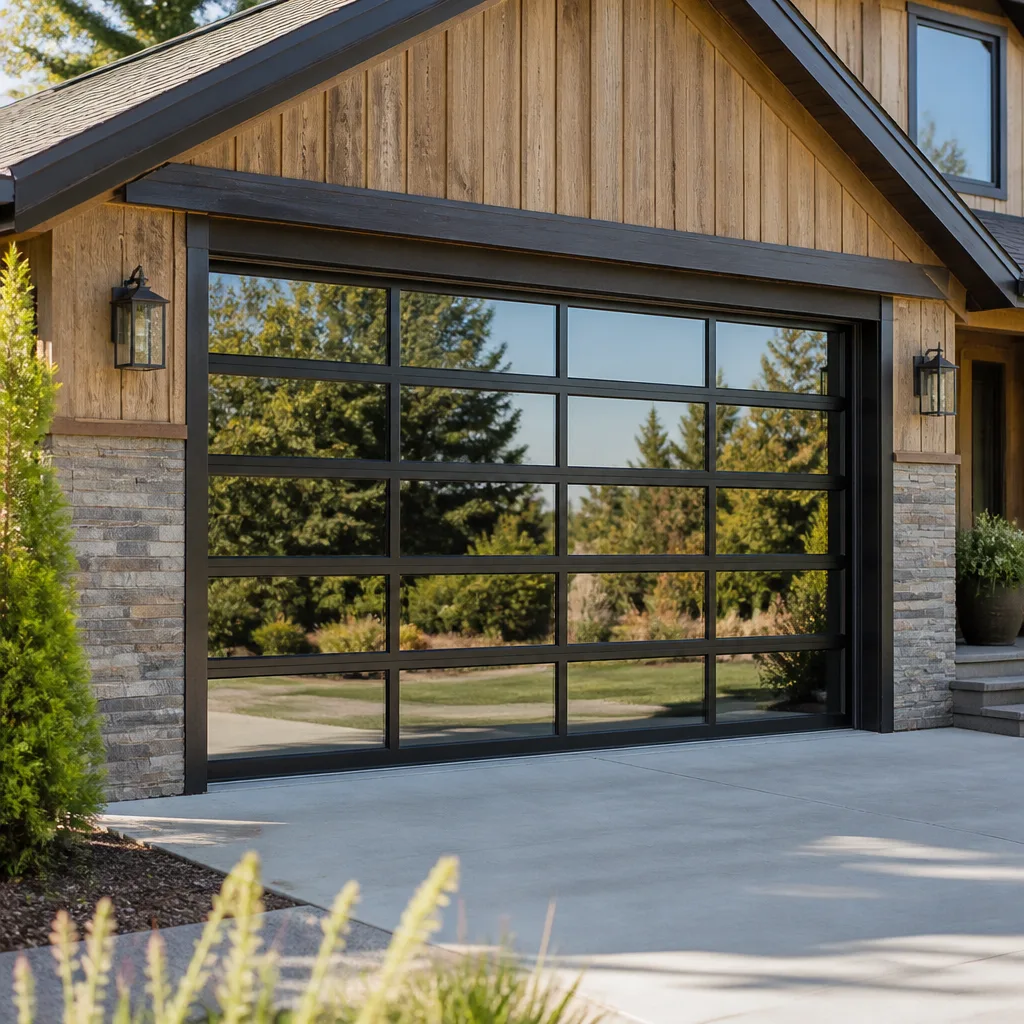 Full-view glass
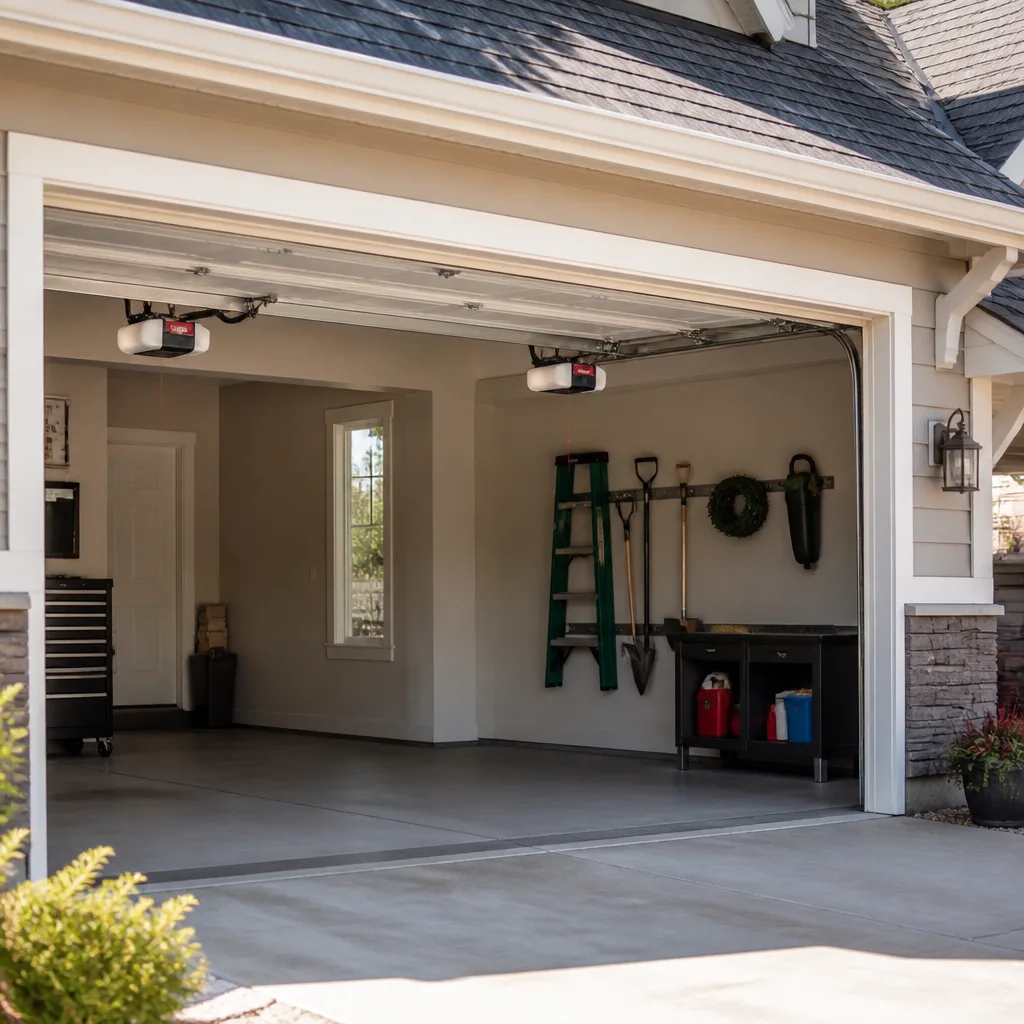 LiftMaster openers
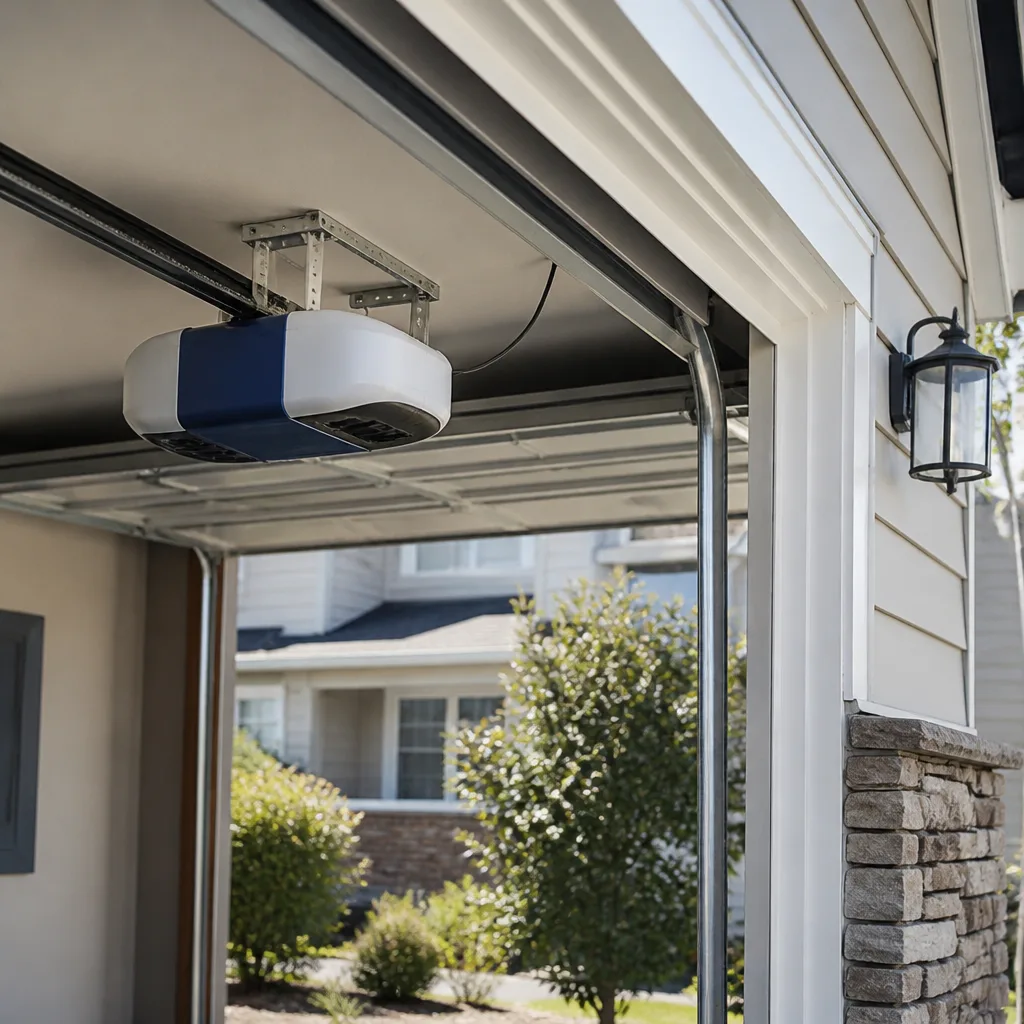 Chamberlain openers
Full 25-point door and opener safety check with every visit - springs, cables, rollers, tracks, and your LiftMaster or Chamberlain opener included
You get a price before we start. It does not change when the pro arrives.
Get your free estimateGarage Door Warning Signs: A Princess Anne Homeowner’s Reference Guide
Most homeowners call for help only after the door stops moving. By then, a small repair has usually become an expensive one. The truth is that garage doors rarely fail without warning. Long before a door jams shut or a spring snaps, it tells you something is wrong, through sound, sight, and feel. A grinding noise during the last few inches of travel is a worn opener gear now, a stripped one later. A popping sound overhead is a spring losing tension, not a random creak. This guide teaches Princess Anne homeowners to read those signals, organized by what you hear, see, and feel, so a repair happens before the system fails completely.
Quick Answer
The most common garage door warning signs are grinding or squealing from the opener, a loud pop from overhead, a door that drifts or won’t stay balanced halfway up, frayed cables, bent tracks, and cracked or loose panels. Any spring or cable symptom is a stop-and-call problem because those parts are under extreme tension. Grinding openers, worn rollers, and failing weatherstrip are usually safe to monitor for a short time, but the sooner they’re addressed, the smaller the repair.
Styles & brands we work with
- Raised-panel steel
- Carriage house
- Modern flush
- Full-view glass
- LiftMaster openers
- Chamberlain openers
Table of Contents
- What Is Your Door Telling You? The Audio Warning Signs
- Visual Warning Signs by Component
- The 60-Second Balance Test
- Warning Signs Specific to Princess Anne Conditions
- How Fast Should You Act? A Response Guide
- Why Your Brand Matters When Something Fails
- Repair or Replace? Reading the Difference
What Is Your Door Telling You? The Audio Warning Signs
A garage door should be quiet and steady. When we roll up to a Princess Anne home and the homeowner says “it’s pretty loud, but it’s always been that way,” we listen carefully, because the type of noise points straight at the failing part. Grinding, popping, squealing, and banging each mean something different, and knowing which is which is the difference between a quick fix and a full breakdown.
- Grinding during travel: Usually a worn gear inside the opener or dry, failing bearings. A grinding opener gear is cheap to replace now and much more expensive once it strips and the door stops lifting. If it only grinds in the last few inches, that’s the classic early sign.
- Popping from overhead: Nearly always a torsion spring that has lost tension or is about to break. Stop using the door and get it looked at. Never touch the spring or the cables yourself.
- Squealing or high-pitched squeak: Worn rollers, dry hinges, or a lack of lubrication on the moving parts. Often minor, but if it’s paired with the door moving unevenly, it’s worth a professional look.
- Banging or slamming: A door that drops hard at the end of travel, or a loose opener rail hitting the frame. This stresses the whole system and often signals a failing spring or a misadjusted limit switch.
- Rattling over bumps: Loose hardware, a worn roller, or a track that has shifted. Tighten and inspect before it becomes a bigger problem.
The key distinction is this: a door telling you something is different from a door refusing to move. A noise is an early warning. A door that won’t open is a repair that has already happened. Catching the noise in Princess Anne buys you time, choice, and a smaller bill.
Visual Warning Signs by Component
Walk out and look at your door once a month. Ten minutes and a flashlight will surface most of the problems below. We tell every Princess Anne homeowner we work with to run through this list, because visual signs show up before the door fails.
Springs
- A visible gap in the torsion spring above the door, or two springs that look uneven.
- Rust streaks or a stretched spring that sags in the middle.
- A door that feels very heavy to lift by hand, or that slams down hard.
Cables
- Frayed, kinked, or slack cables along the sides.
- Cables that have come off their drum or are rubbing the frame.
Rollers and Hinges
- Flat-spotted, chipped, or missing rollers.
- Loose hinges, missing screws, or hardware that wiggles.
Panels
- Cracks, dents, or panels that have bowed inward.
- Panels that look loose or separate from the frame.
Tracks
- Tracks that are bent, dented, or separated from the wall.
- Gaps between the track and the door on either side.
Weatherstrip and Seals
- Cracked, hardened, or missing seals along the bottom and sides.
- Daylight visible around a closed door, which means a poor seal.
Two of these categories get a hard warning: springs and cables. They are under extreme tension and can cause serious injury. Do not try to adjust, remove, or “test” them yourself. If you see any spring or cable sign, that’s a call to a trained professional, not a weekend project. The others can usually be inspected safely, but a professional diagnosis tells you whether they’re co
The 60-Second Balance Test
This is the single most useful check you can do, and you don’t need any tools. A balanced door is doing its springs’ work evenly. An unbalanced door is telling you the springs are tired or failing. Here’s how to run it safely:
- Close the door fully and disconnect the opener using the manual release (the rope handle on the rail).
- Lift the door by hand to about halfway open.
- Let go gently and step back.
- Watch what happens. It should stay roughly where you left it.
Interpreting the result:
- Stays put: Well balanced. Springs are doing their job.
- Drifts down on its own: Springs are weak or losing tension. The opener is now carrying weight it shouldn’t.
- Rises on its own: Springs are too tight. This stresses the opener and the door structure.
- Feels very heavy to lift: A clear sign the spring system needs attention.
If your door fails this test, don’t keep using the automatic opener to force it. That’s how a tired spring becomes a broken one, and a broken spring can leave you with a door stuck shut. In Princess Anne, where garages are often the main entrance, a door stuck closed is a daily headache. A trained technician can rebalance the door safely and set the tension correctly.
Warning Signs Specific to Princess Anne Conditions
A garage door in Princess Anne lives under the same humid summers, storm cycles, and sun exposure as the rest of the mid-Atlantic. That environment leaves its own fingerprints on your door, and those fingerprints are often the first sign something is wrong.
- Rust streaking on panels and hardware: The humid summers here accelerate corrosion on springs, hinges, tracks, and steel panels. If you see rust streaks running down from the spring or along the track, it’s a sign moisture is attacking stressed metal. On older Wayne Dalton and Raynor steel doors, this shows up around the bottom section first.
- Humidity-swollen panels and frames: Wooden and some composite doors absorb moisture and swell, which can bow panels and jam the door in the track. A door that opens fine in spring but sticks in the wet season is telling you something about moisture, not just the opener.
- UV-degraded weatherstrip: Strong summer sun hardens rubber and vinyl seals until they crack and pull away. That lets water, dirt, and heat into the garage, and it changes how the door seats at the bottom. Daylight under a closed door means the seal has given up.
- Storm and wind stress: Storms pass through and put stress on tracks and panels. A door that used to close flush but now leans or rattles after a windy stretch is worth inspecting.
These Princess Anne conditions don’t cause problems overnight. They build up quietly over months. That’s exactly why a seasonal walk-around pays off, especially before and after the humid season.
How Fast Should You Act? A Response Guide
Not every warning sign is a same-day emergency. Knowing which is which saves you money and stress. Here’s the breakdown we give homeowners, sorted by urgency.
Address Within 24 Hours (Stop Using the Door)
- A popping sound from the spring area, or a visible gap in the spring.
- Frayed, kinked, or off-track cables.
- A door that hangs crooked, drops hard, or won’t stay balanced.
- A door stuck partway open or closed with a broken part visible.
These are safety and structural signs. Springs and cables are dangerous, so don’t force the door. We work on springs as a standard part of the job, not a special case, and our technicians have up to 15 years of experience with exactly these failures.
Monitor for 2 to 4 Weeks, Then Act
- Grinding or squealing during operation.
- Worn rollers, loose hinges, or minor rattling.
- A tired weatherstrip, or small gaps around the door.
- Rust starting to show on hinges or the track.
These don’t threaten safety today, but they get worse and they wear the whole system. Grinding in particular tends to mean an opener gear that will eventually strip. Fix it early and it stays small.
Cosmetic Only, Fix When Convenient
- Minor scuffs, dents, and faded paint.
- A single small crack in a panel that isn’t structural.
- Cosmetic rust on non-moving parts.
These can wait. But watch them: a small crack or dent can turn structural over time, so check again after a season.
If any of this overlaps with an opener problem, that’s a separate diagnosis. Our garage door opener repair team handles both legacy openers and modern Wi-Fi systems alike.
Why Your Brand Matters When Something Fails
A warning sign is only useful if it leads to a correct diagnosis. Every major brand has its own quirks, failure patterns, and parts. A technician who knows the brand you have reads the symptom faster and gets the right fix the first time.
We work routinely on the systems most common in Princess Anne homes. If your opener is a LiftMaster or a Craftsman unit, or your door is a Clopay, Amarr, Wayne Dalton, or Raynor, the failure patterns are familiar, and we know where to look first. Whether your opener is a decade old or just installed last year, we know the system. That range matters: modern Wi-Fi-enabled openers have electronics and safety sensors that fail differently than an older analog drive, and the diagnosis has to account for that.
Grinding on a LiftMaster or Chamberlain opener often points to a gear-and-sprocket issue that’s cheap to fix early. On a Craftsman or Genie, sensor alignment and limit settings are frequent culprits. Knowing the difference shortens the job and avoids a guess-and-swap approach. If the door itself is failing, our garage door installation work covers the full replacement path, so you don’t have to find a second contractor if the door needs more than a repair.
Repair or Replace? Reading the Difference
Warning signs tell you two things at once: what’s failing now, and whether the door is heading toward replacement. Not every worn part means a new door. But some combinations do.
Leaning toward repair:
- One or two worn parts on an otherwise solid door.
- A door that’s balanced and straight once the part is fixed.
- Panel damage that’s isolated and repairable.
Leaning toward replacement:
- Multiple failing parts on the same door (springs, rollers, and panels together).
- Widespread rust or structural damage across sections.
- A door that repeatedly comes back out of balance after repair.
We diagnose before we quote, so the recommendation is based on what the door actually needs, not on trying to sell the biggest job. If your door is a brand we work on routinely, a trained technician can tell you honestly whether a repair makes sense or whether it’s time to start fresh. One call covers the whole door, from the opener to the panels to the spring.
Common Mistakes to Avoid
- Ignoring a noise because “it’s always done that.” A grinding or popping sound is information, not a personality. Every failure starts as a small symptom, so don’t let habit talk you out of checking it.
- Trying to fix a spring or cable yourself. These parts are under extreme tension and can cause serious injury. That’s not DIY territory, even for a handy homeowner.
- Forcing an unbalanced door with the opener. If the balance test fails, running the opener only wears it out and forces a tired spring to break. In humid Princess Anne summers, a door stuck shut is the last thing you want.
- Assuming it’s just the opener. Grinding, banging, or a door that won’t close is often a spring, track, or balance problem. Misdiagnosing it wastes money on the wrong repair.
- Letting a small weatherstrip gap go. A cracked seal in this climate lets in moisture and heat and wears the door. Replace it before the rust or rot starts.
- Calling a general handyman for a specialist job. A spring or opener failure needs garage-door-specific knowledge. A generalist may decline the work or make it worse.
- Waiting until the door won’t open. That’s the most expensive time to call. Reading the warning signs in Princess Anne lets you book a repair before the system fails completely.
See the difference
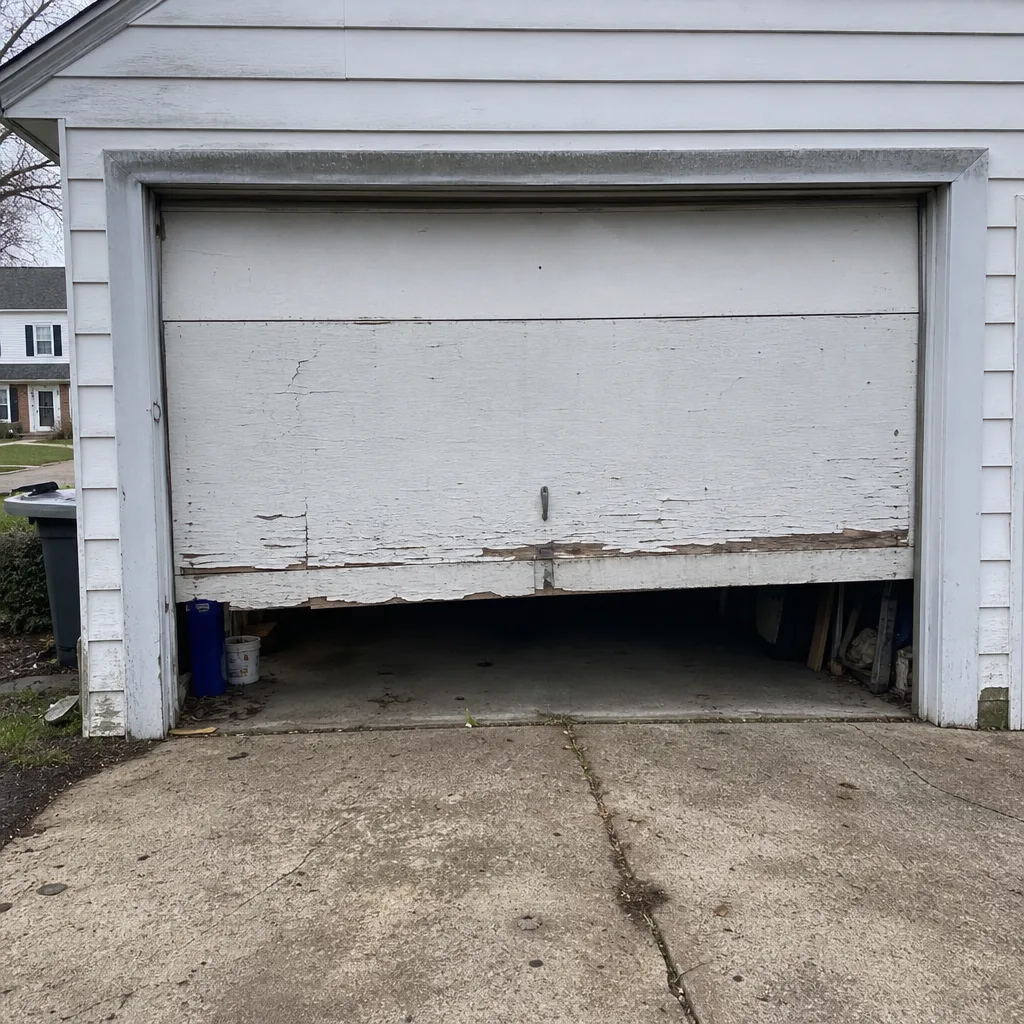 Before
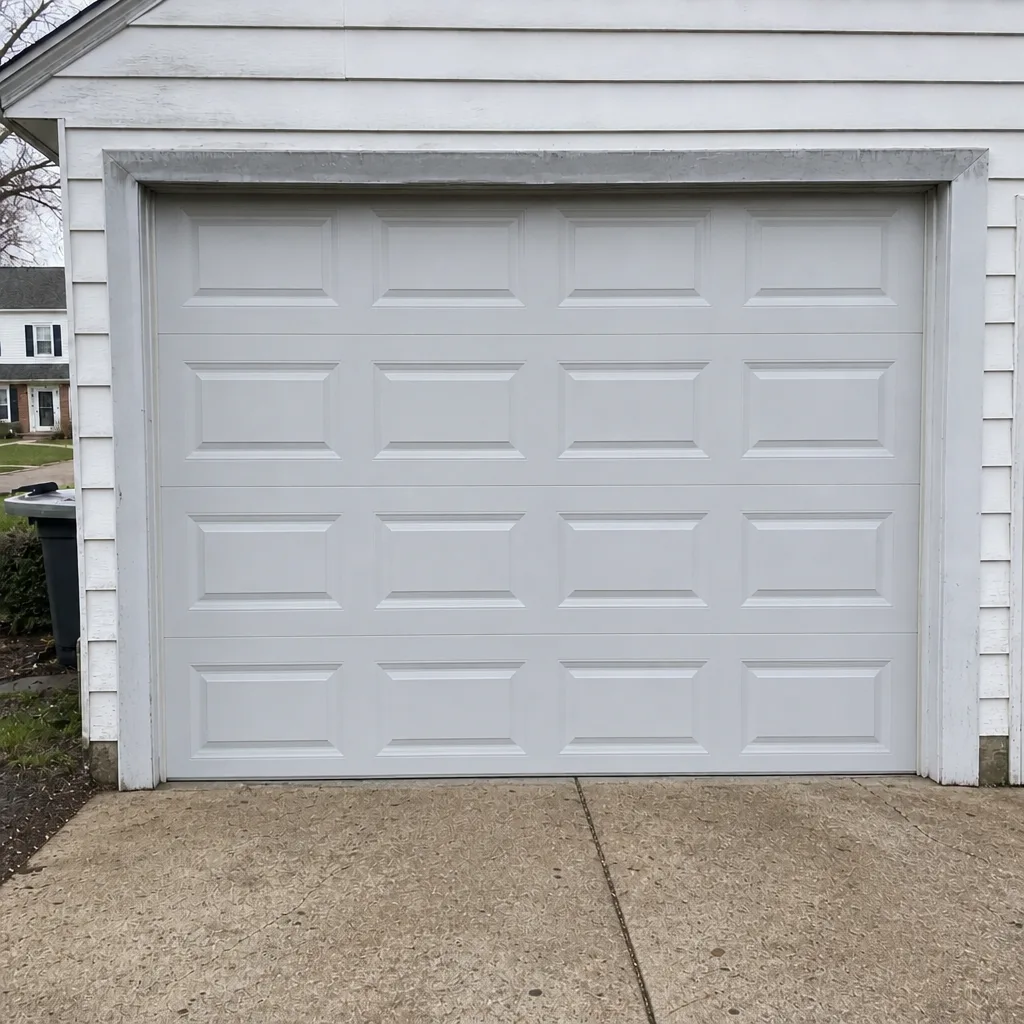 After
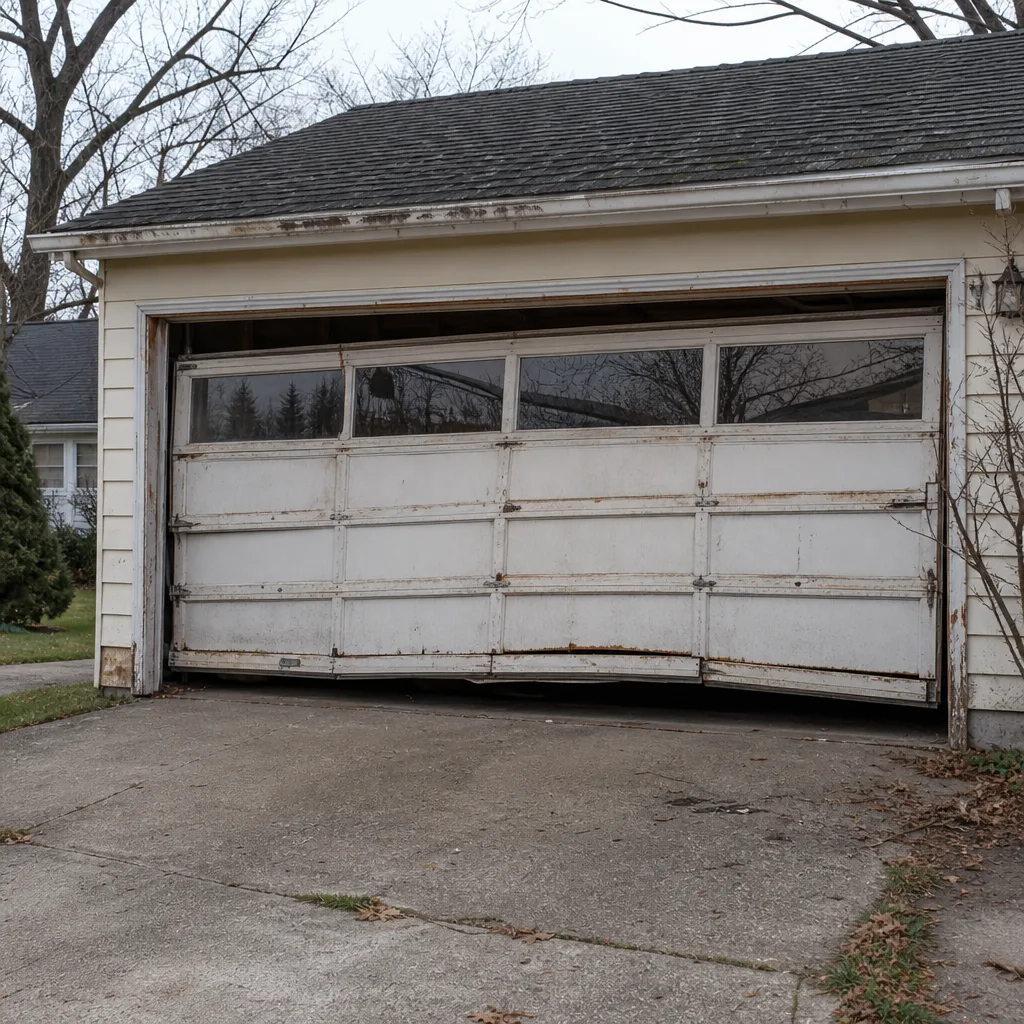 Before
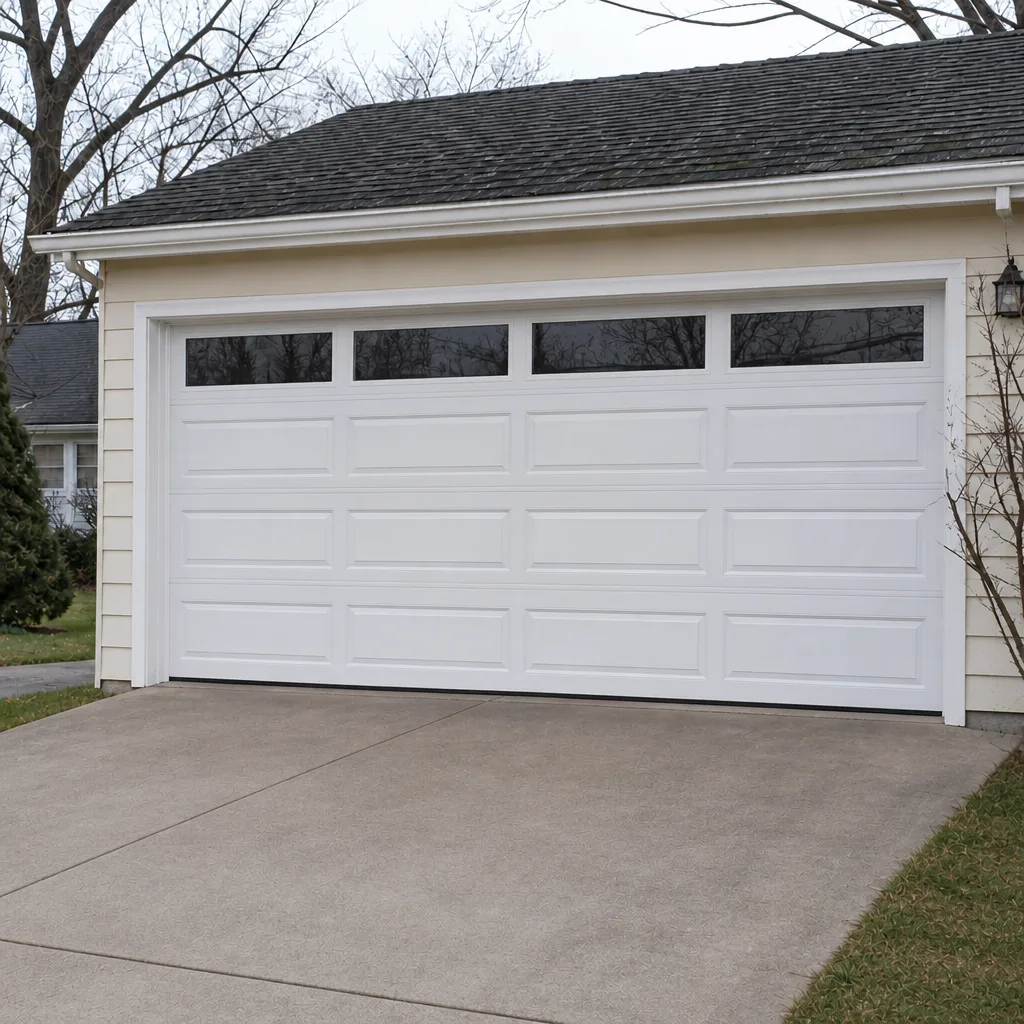 After
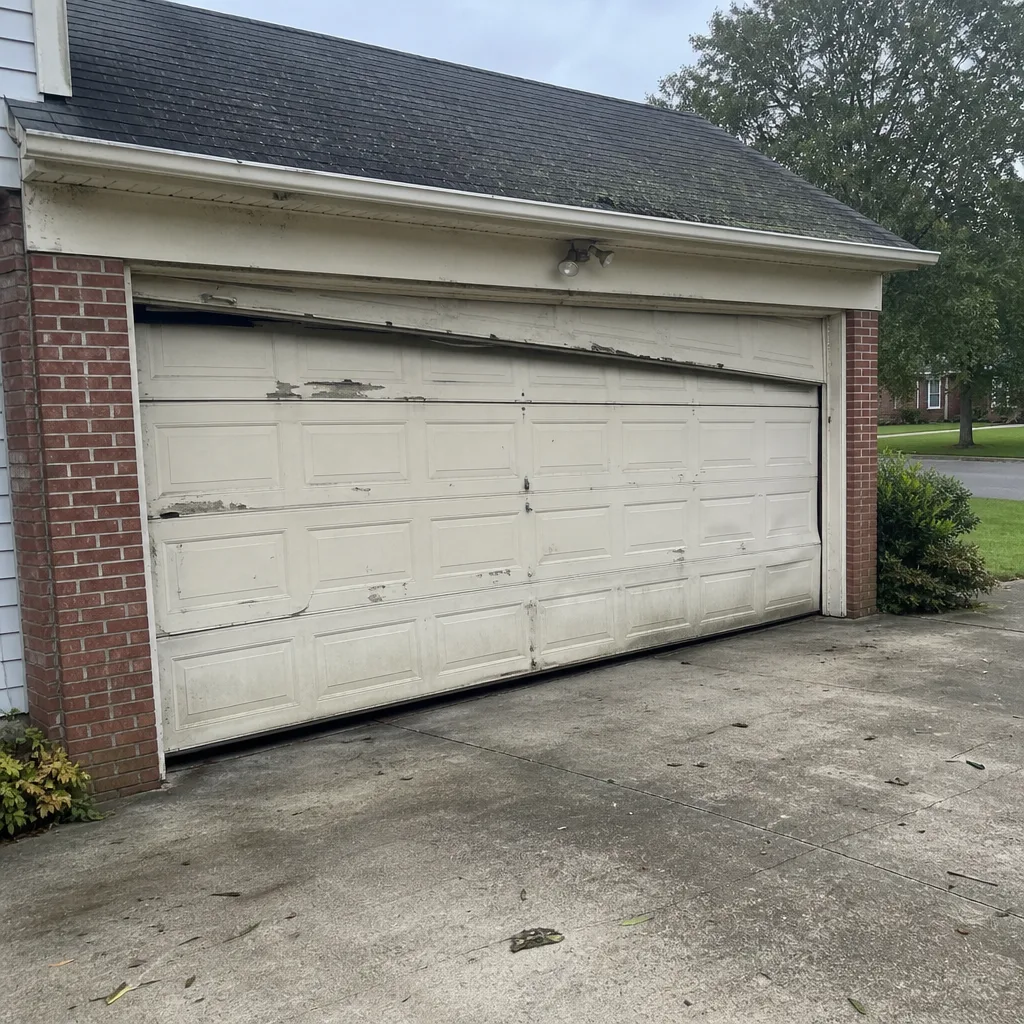 Before
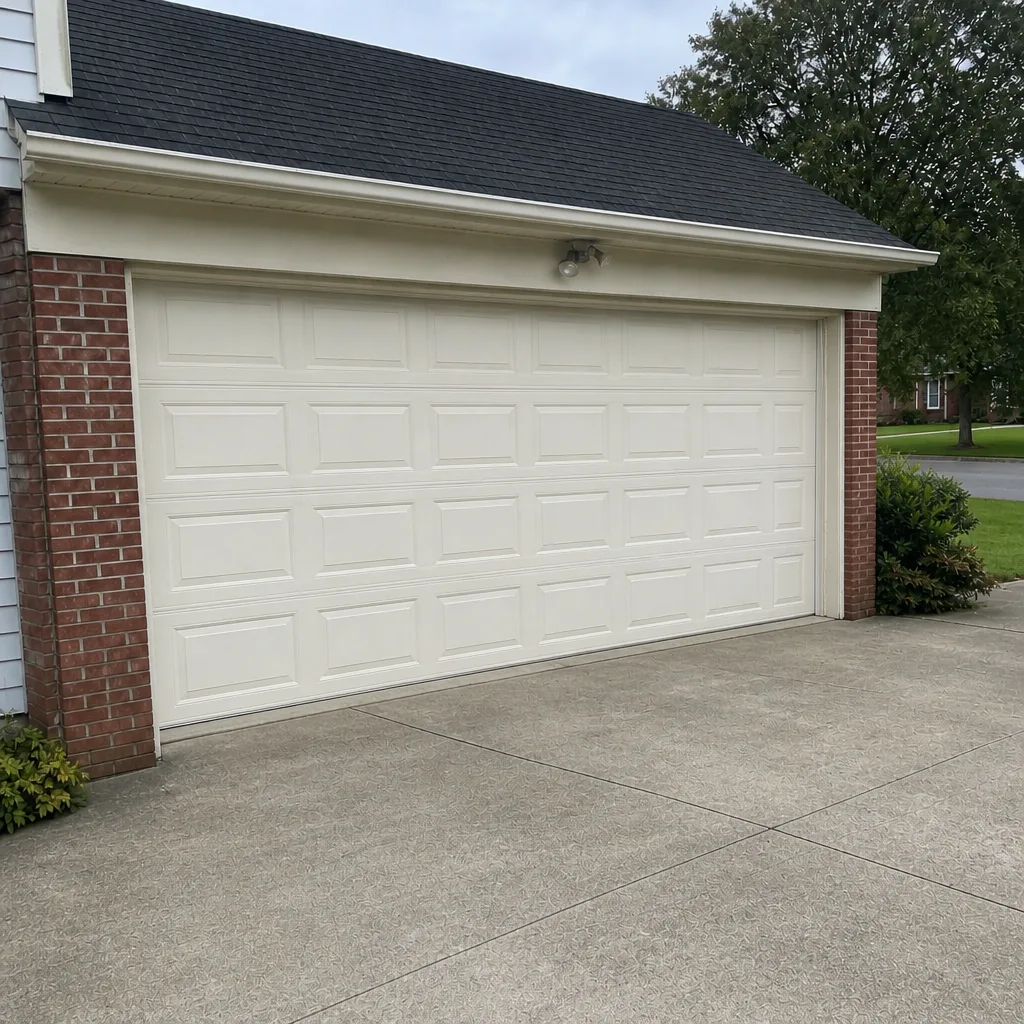 After
When to Call a Professional
Call a professional the moment you see a spring or cable sign, when your balance test fails, or when the door hangs crooked or won’t stay closed. Those are safety and structural issues that shouldn’t wait. If you hear grinding, popping, or squealing, don’t assume it’ll sort itself out; a technician can often fix it before it becomes a full breakdown. And if your door is a brand you’re not sure anyone services, that’s exactly the kind of call we take. Garage Door Repair Princess Anne offers free estimates in Princess Anne. Call (844) 676-0048. We answer 24/7. Fast dispatch from 7am to 7pm, Sunday through Friday, so a door problem doesn’t become a week-long headache.
Frequently Asked Questions
A popped spring or a frayed or kinked cable is the most serious. They’re under extreme tension and can cause injury if handled wrong. Stop using the door and call a professional. Call (844) 676-0048 for an exact quote; estimates are free.
Usually not safely, and often not correctly. Grinding usually points to a worn opener gear or bad bearings, and the fix depends on the brand and model. A technician reading the exact symptom saves you from guessing. Call (844) 676-0048 for an exact quote; estimates are free.
Disconnect the opener with the manual release, lift the door halfway by hand, let go, and watch. If it drifts down or up, or feels very heavy, the springs need attention. Call (844) 676-0048 for an exact quote; estimates are free.
No, a squeak or rattle is usually minor and safe to monitor for a short time. Worn rollers or dry hinges are common causes. Have it looked at soon so it doesn’t lead to a bigger failure. Call (844) 676-0048 for an exact quote; estimates are free.
Humidity swells wood and composite parts and stiffens seals, which can make a door stick in the track. It’s a common Princess Anne pattern. A professional can check the balance, panels, and weatherstrip together. Call (844) 676-0048 for an exact quote; estimates are free.
Yes. We diagnose before we quote, and we offer both a repair path and a full replacement path. You get an honest read on what the door actually needs. Call (844) 676-0048 for an exact quote; estimates are free.
The Bottom Line
A garage door broadcasts its problems long before it fails. Grinding means a worn gear. Popping means a spring. A failed balance test means the whole system is carrying weight it shouldn’t. Frayed cables and bent tracks are stop-and-call signs, while squeals and cosmetic wear can wait a few weeks. In Princess Anne, humidity, sun, and storm cycles leave their own signals: rust streaks, swollen panels, and cracked weatherstrip. Read those signs and act on the urgent ones, and you’ll skip the expensive surprise. Whether it’s a spring, an opener, or a full door, we work on the brands you have. For a free estimate, reach out to complete the diagnosis with Garage Door Repair Princess Anne. Call (844) 676-0048. We answer 24/7. Fast dispatch from 7am to 7pm, Sunday through Friday.
Written by the team at Garage Door Repair Princess Anne.