
Last updated November 20, 2026
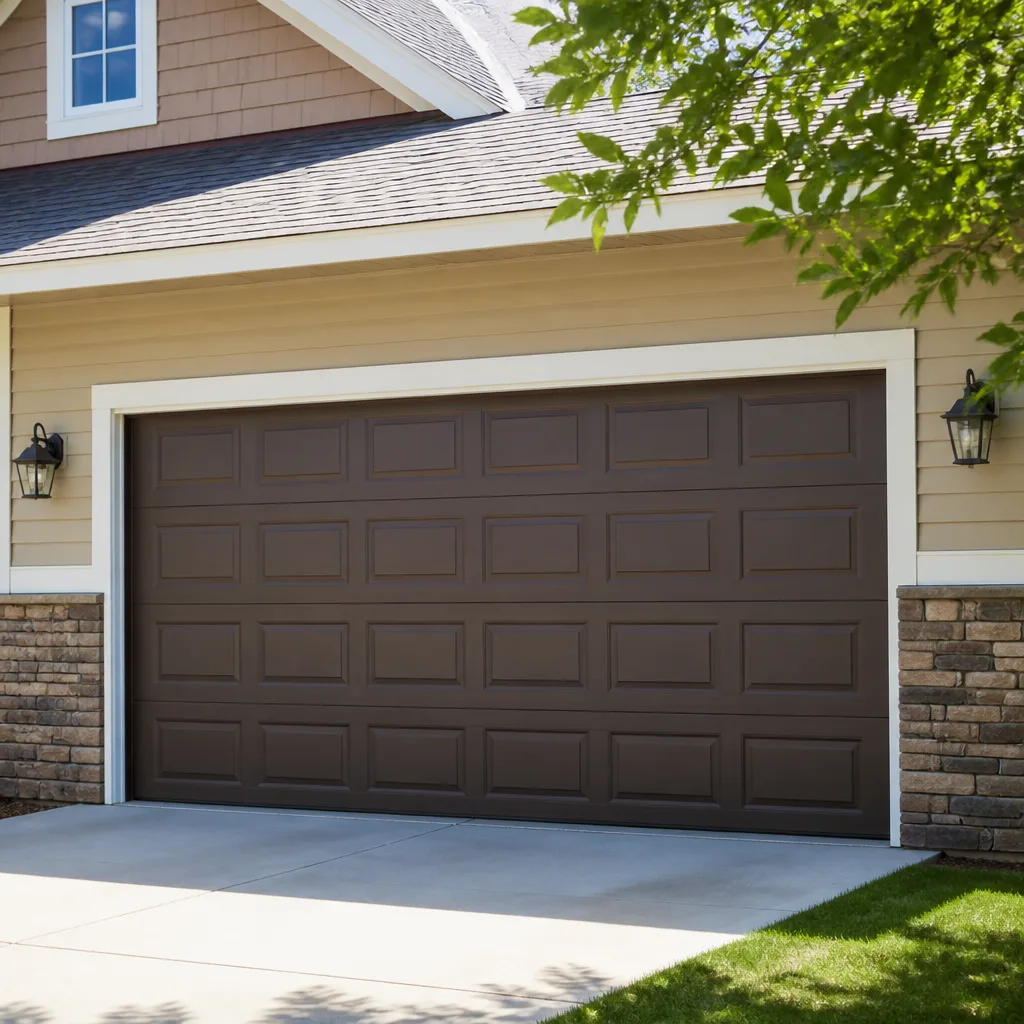 Raised-panel steel
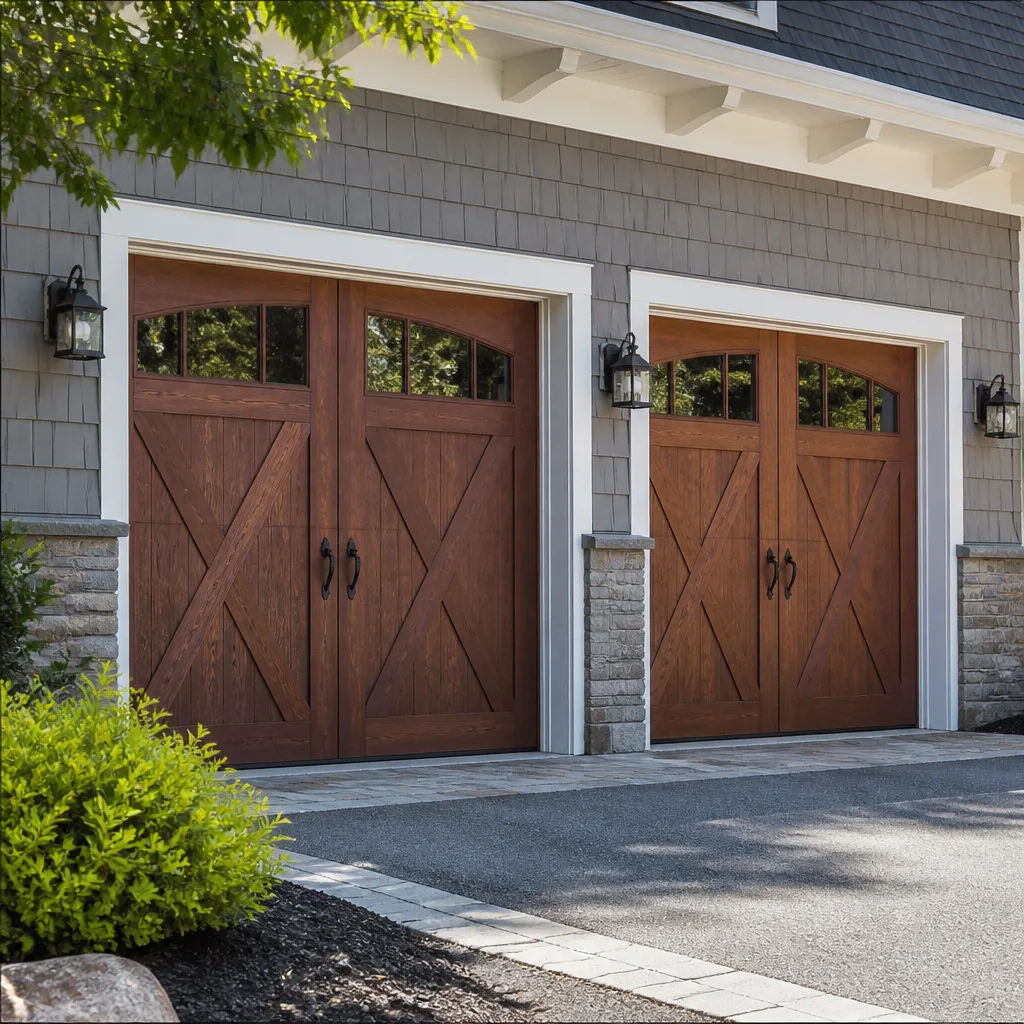 Carriage house
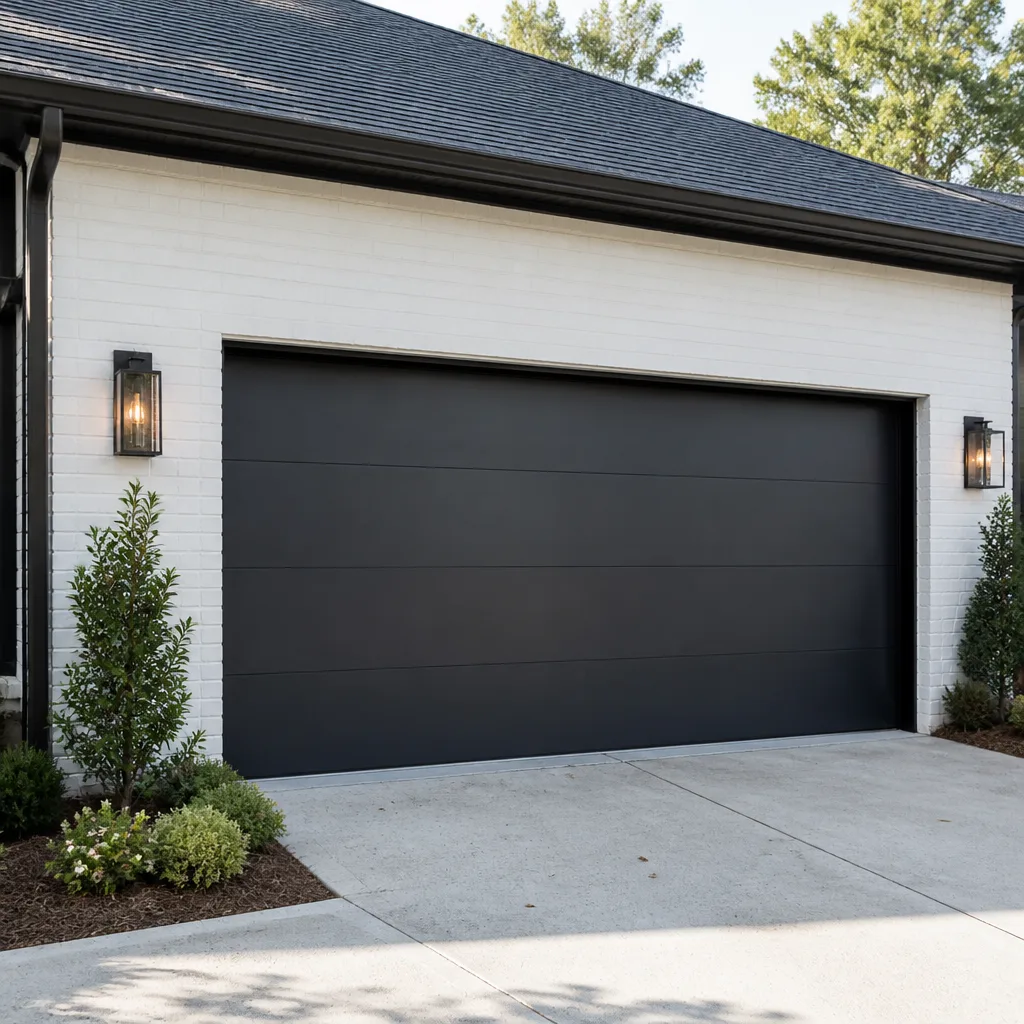 Modern flush
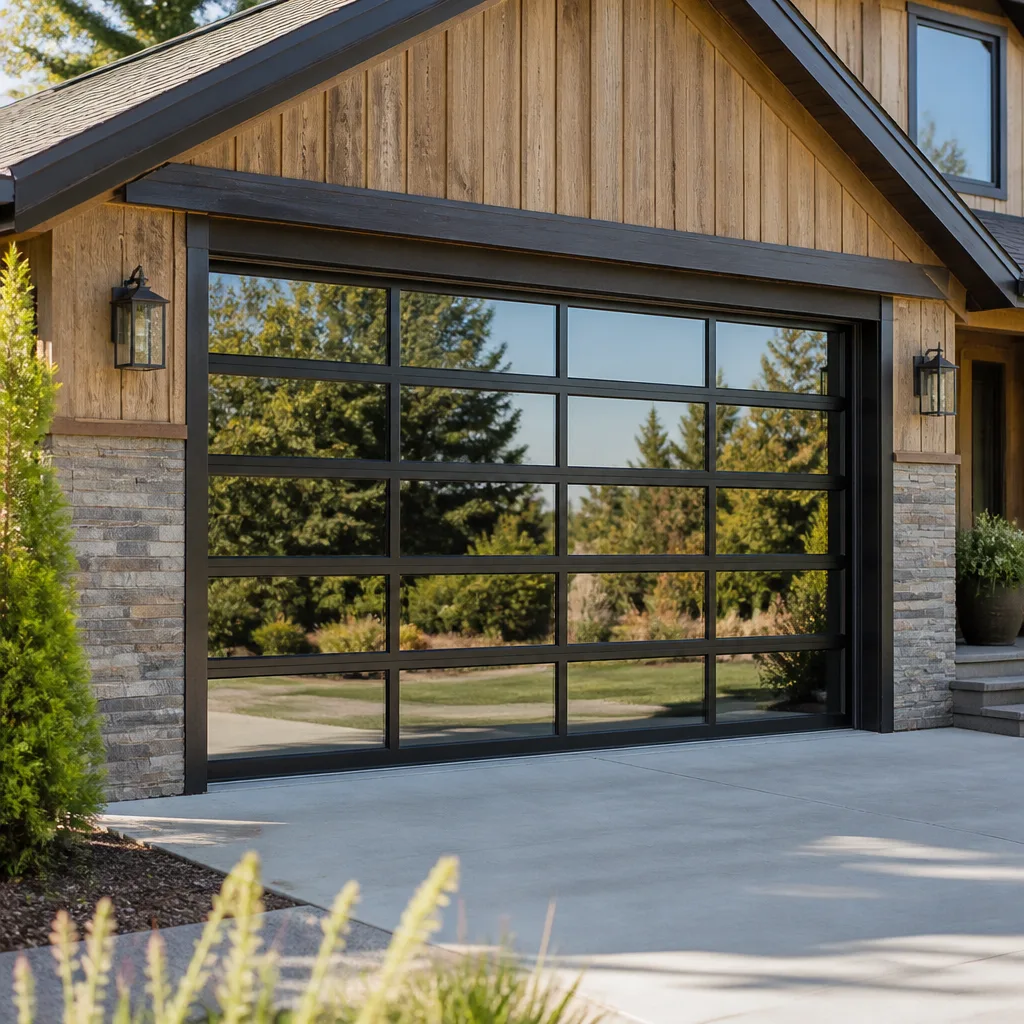 Full-view glass
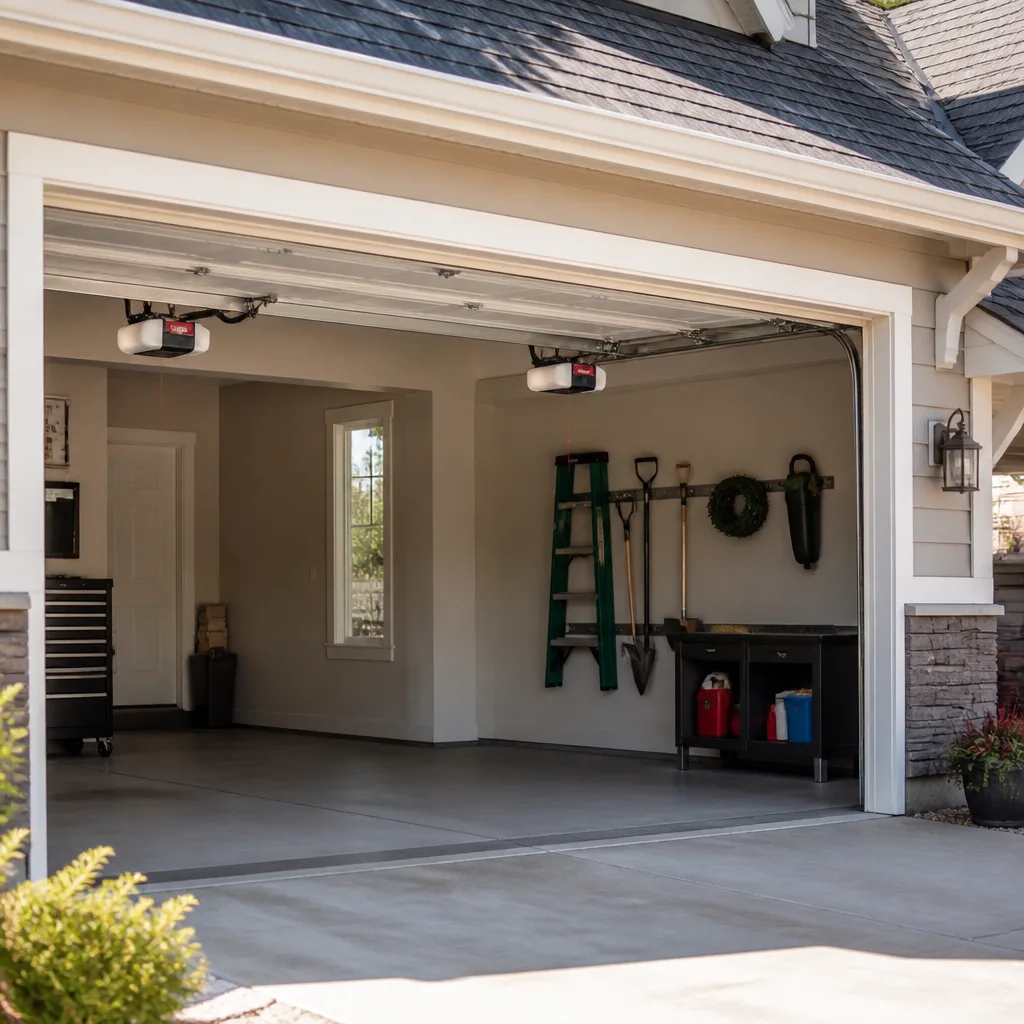 LiftMaster openers
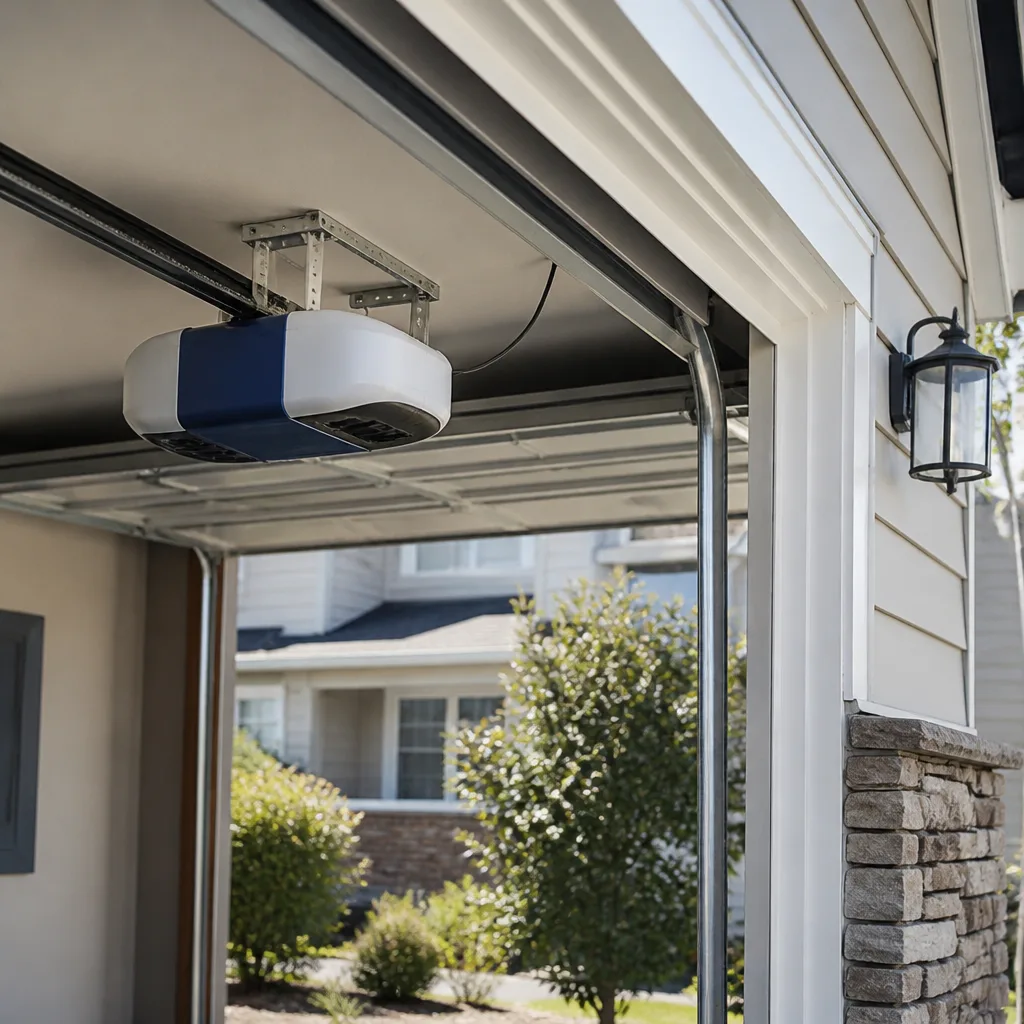 Chamberlain openers
Full 25-point door and opener safety check with every visit - springs, cables, rollers, tracks, and your LiftMaster or Chamberlain opener included
You get a price before we start. It does not change when the pro arrives.
Get your free estimateGarage Door Repair Maintenance Checklist for Princess Anne Homeowners
A torsion spring under full tension stores enough energy to break a wrist or crack a skull. Any checklist that tells a homeowner to “inspect the springs” without explaining where inspection ends and danger begins is setting someone up for a serious injury. Most maintenance advice floating around online blurs that line. So we’re drawing it sharply here. This guide splits every garage door task into two columns: what you can safely do yourself, and what belongs to a trained technician. It separates the tasks you can safely handle on a weekday from the tasks that belong to a trained technician, and it factors in the humidity, summer heat, and hurricane season that shape how garage doors wear in Princess Anne. By the end, you’ll know exactly what to check, how often, and when to put the tools down and pick up the phone.
Quick Answer
A safe garage door maintenance checklist for Princess Anne homeowners covers three things: monthly visual checks (springs, cables, rollers, weather seal), quarterly lubrication of the hinges, rollers, and tracks with a garage-door-specific lubricant, and twice-yearly balance and auto-reverse tests. Adjust lubrication frequency upward in summer humidity and inspect hinges and seals before hurricane season. Never adjust or touch torsion springs, cables under tension, or the counterweight system yourself. Those are technician-only tasks, every time.
Styles & brands we work with
- Raised-panel steel
- Carriage house
- Modern flush
- Full-view glass
- LiftMaster openers
- Chamberlain openers
Table of Contents
- The DIY-Safe List vs. the Technician-Only List
- Visual Checks You Can Do Without Touching Anything
- Lubrication in Princess Anne’s Humidity: What, Where, and How Often
- Running Balance and Auto-Reverse Tests
- Seasonal Garage Door Prep for Princess Anne Weather
- Brand-Specific Wear: LiftMaster, Chamberlain, Genie, Clopay
- A Year-Round Maintenance Schedule
- Common Mistakes to Avoid
- When to Call a Professional
- Frequently Asked Questions
The DIY-Safe List vs. the Technician-Only List
The single most useful thing a maintenance checklist can do is tell you what not to attempt. Garage doors are the largest moving object in most homes, and several of their components are under extreme mechanical load. We work on Garage Door Repair Princess Anne calls where a homeowner started a task that looked harmless and stopped the moment they felt the tension in the system. Here’s the split we give every homeowner we talk to.
DIY-safe tasks (you can do these)
- Lubricating hinges, rollers, and the torsion bar bearing plates with a garage-door-specific spray
- Wiping down and conditioning the weather seal along the bottom of the door
- Clearing debris from the tracks with a damp cloth or soft brush
- Running the balance test and the auto-reverse safety test
- Visually checking springs, cables, and rollers from a safe standing distance (eyes only, no hands)
- Testing the wall-mounted opener button and remote batteries
- Checking that the photo-eye sensors are aligned and the path is clear
Technician-only tasks (do not attempt these)
- Adjusting, loosening, tightening, or removing torsion springs or extension springs
- Touching, re-routing, or tightening any cable under tension
- Adjusting the counterbalance or winding mechanism
- Straightening or reshaping bent track sections that affect door travel
- Replacing a snapped spring, even if it looks like a straightforward swap
- Any work on the opener’s internal drive gears or the motor’s force settings
The reason is simple physics. A torsion spring holds enough stored energy to injure severely if it releases unexpectedly, and cables under tension can snap with almost no warning. Spring repair is a core service for us precisely because it’s dangerous work. It’s not DIY territory, and it isn’t a side job for a generalist handyman either. If you’re in Princess Anne and you hear a loud snap from the garage, stop and call before you go near it.
Visual Checks You Can Do Without Touching Anything
Most problems announce themselves before they fail. A monthly walk-around of your door, done with your eyes and hands in your pockets, catches the early warning signs. Here’s what to look for and what each sign means.
Springs
On a torsion system, look at the spring above the door (the coiled unit mounted on the shaft). You’re checking for a visible gap in the coil, rust streaks, or a spring that looks stretched or uneven. On extension springs (the ones that run alongside the tracks), look for stretched coils, fraying, or a broken safety cable. Do not touch either kind. A gap means the spring has broken and the door is no longer counterbalanced. A rust streak often means the spring is nearing the end of its life. Either way, that’s a call to a technician, not a repair project.
Cables
Cables run from the bottom corners of the door up to the drums. From a distance, look for fraying, kinks, or a cable that’s come off its drum. A frayed cable is a failure waiting to happen, and it’s under tension. Note it and call.
Rollers
Rollers sit in the track and carry the door up and down. Look for flat spots, cracks in the roller wheels, or rollers that look worn down to the bearing. Worn nylon rollers make the door noisy and can cause jerky travel. Replacing rollers is a technician job when the door is under spring tension.
Panels and seals
Look for dents, rust at the bottom edge, and a weather seal that’s cracked, torn, or pulling away from the bottom panel. A failing seal lets in water, insects, and humid air, which matters more in Princess Anne’s summer months than most homeowners realize.
Write down what you see and the date. A pattern over a few months tells a technician a lot before they even arrive. If any of these checks turn up a problem, our garage door repair team can take it from there.
Lubrication in Princess Anne’s Humidity: What, Where, and How Often
Princess Anne’s summers are humid, and humidity is hard on metal. Hinges, rollers, and bearing plates that stay dry in a desert climate will start to rust and stiffen here if they’re neglected. That’s why lubrication frequency matters more in this part of Virginia than a generic checklist would suggest.
What to use
Use a lubricant made specifically for garage doors. A white lithium grease spray or a silicone-based garage door lubricant works on hinges and bearing plates. For rollers, a dedicated roller lubricant or silicone spray is the right choice. Do not use WD-40 as a lubricant (it’s a solvent, not a lasting lubricant), and do not use cooking oil or general-purpose motor oil. Those attract dust and gum up the works.
Where to apply it
- Every hinge pivot point along both sides of the door (a small spray at each hinge, not a flood)
- The bearing plates at each end of the torsion bar
- The roller stems and the roller wheels themselves (a light coat, not dripping)
- The lock, if your door has one, and the latch mechanism
Do not lubricate the tracks themselves with grease. Tracks should stay clean and dry; grease in the track collects grit and causes binding. Wipe them with a dry or very lightly dampened cloth instead.
How often
Twice a year is the baseline for most homes. In Princess Anne, we suggest bumping that to every three months during the humid summer stretch, especially if your garage is unconditioned or you notice any squeaking or stiffness. A door that’s starting to sound like it’s complaining is usually asking for lubricant, not a repair.
Running Balance and Auto-Reverse Tests
These two tests are the most important safety checks a homeowner can run, and they take about three minutes each. Do them twice a year at minimum, and any time you notice the door acting differently.
The balance test
- Close the door and disconnect the opener by pulling the manual release cord (this disengages the door from the opener).
- Lift the door to about waist height by hand and let go.
- A properly balanced door should stay roughly in place, maybe drifting slightly, without slamming down or springing up.
If the door crashes down or won’t stay up at all, the springs are no longer doing their job. Reconnect nothing and call a technician. Do not try to lift a door that won’t hold. That’s a symptom of a failing spring, and the tension in that system is not safe to work around.
The auto-reverse test
- With the door open, place a small object like a roll of paper towels or a 2×4 flat on the floor in the door’s path.
- Close the door using the wall button or remote.
- The door should reverse direction the moment it contacts the object.
If the door doesn’t reverse, stop using the opener and get it serviced before anyone uses the garage again. This is a genuine safety failure, not a minor annoyance. A door that won’t auto-reverse can crush a pet or a child in the gap. For opener diagnostics, garage door opener repair covers the sensors, force settings, and safety systems on modern and legacy openers alike.
Seasonal Garage Door Prep for Princess Anne Weather
Garage doors in this part of Virginia deal with a real seasonal swing: hot, humid summers, hurricane season from roughly June through November, and cold snaps in winter. Each season asks something different of your door. Here’s the seasonal rhythm we recommend.
Spring: post-winter inspection
- After winter, inspect the bottom seal and the door’s lower panels for rust, cracking, or water damage.
- Check all hinges and rollers for stiffness from cold-weather contraction.
- Run the balance test and auto-reverse test once the weather warms.
- Apply a fresh coat of lubricant to hinges and bearing plates.
Summer: humidity and heat
- Increase lubrication to every three months during the humid stretch.
- Watch for wooden door panels swelling in humidity (if you have a wood door), which can cause binding in the tracks.
- Check the weather seal for cracking or separation from heat and moisture.
- Test the auto-reverse function if you’ve had any power surges after storms.
Pre-hurricane season prep
- Confirm the door is properly balanced and all hardware is tight before storm season.
- Inspect the tracks for any looseness in the mounting bolts (visual check only).
- Make sure the photo-eye sensors and opener wiring are clear of loose connections.
- If your door has a manual lock bar, make sure it works and the door latches securely.
- Keep the garage interior clear of anything that could block the door’s path during a power outage.
Winter: cold snaps
- Cold causes metal to contract and lubricant to thicken. Check for a stiffer-sounding door and reapply lubricant if needed.
- Seal any gaps around the door opening, because cold air forced through the sides can freeze the bottom seal to the floor.
- Test the opener force settings if you notice the door struggling on cold mornings.
If you’re unsure how your specific door should be adjusted for the season, we can help you figure it out. Our garage door installation team also advises on door selection if your current door is beyond repair, because a well-built door handles this climate better than a budget model.
Brand-Specific Wear: LiftMaster, Chamberlain, Genie, Clopay
Garage door systems aren’t generic, and maintenance checklists that treat them that way miss the details that matter. We work on the major residential brands routinely, and each one has its own wear patterns and quirks worth knowing.
LiftMaster and Chamberlain openers
These openers share a lot of internal design language. If yours is a modern Wi-Fi-enabled unit, keep the firmware current through the app and be aware that some units log fault codes you can check on the wall control. Older LiftMaster and Chamberlain units have drive gears that wear over time. If your opener starts making a grinding noise or hesitating at the top of travel, that’s a sign to have it looked at rather than ignored.
Genie openers
Genie units use a different drive system on some models (screw drive, belt drive, or chain drive), and the maintenance focus shifts accordingly. Belt-drive units run quieter but the belt can stretch over time. Screw-drive units need the screw rail kept clean and lightly lubricated. Genie’s smart-home-compatible units connect to major home automation platforms, so check that the app still reports the door status correctly after any home network change.
Clopay doors
Clopay makes doors in steel, wood, and composite, and the material changes what to watch. Steel doors are prone to bottom-edge rust in humid climates; wood doors swell and shrink with the seasons, which can throw off the balance over time. On a Clopay door in Princess Anne, look at the bottom seal and the lower panel edges most closely.
When wear becomes replacement
There’s a point where maintenance stops paying off and replacement is the honest answer. If your door is out of balance despite a spring replacement, the panels are rusted through in multiple places, or the opener is failing more than it’s working, the math changes. If you’re not sure which side of that line you’re on, we can diagnose before we quote, so you’ll know whether repair or replacement is the right call for your door.
A Year-Round Maintenance Schedule
Here’s the practical calendar we recommend for Princess Anne homeowners. Print it, stick it inside the garage door, and check things off as you go.
| Frequency | Task | DIY or Pro |
|---|---|---|
| Monthly | Visual inspection of springs, cables, rollers, and bottom seal | DIY |
| Monthly | Photo-eye sensor alignment check | DIY |
| Quarterly (or more in summer) | Lubricate hinges, rollers, and bearing plates | DIY |
| Twice a year | Balance test and auto-reverse test | DIY |
| Twice a year | Clean tracks and check for binding | DIY |
| Spring and fall | Full hardware and opener inspection | Pro |
| Before hurricane season | Balance check, track tightness visual check, seal inspection | Pro recommended |
| Any time | Spring adjustment, cable work, force settings, gear replacement | Pro only |
If you follow this schedule, you’ll catch most problems before they become emergencies. And if a check ever turns up something in the “Pro” column, don’t wait for it to get worse. Our technicians have up to 15 years of experience with doors in exactly this climate, and we diagnose before we quote so you’ll know what you’re dealing with.
Common Mistakes to Avoid
- Trying to inspect springs by hand. A visual check from a safe distance is all a homeowner should ever do. Touching a torsion spring, even gently, can trigger a release if it’s already compromised.
- Using the wrong lubricant. WD-40, cooking oil, and motor oil all collect dust or fail to lubricate properly. Use a garage-door-specific product and reapply more often in Princess Anne’s humid summers.
- Skipping the auto-reverse test. It’s the cheapest safety check on the door and the most important. If it fails, stop using the opener.
- Assuming a noisy door just needs grease. A grinding or popping sound can mean worn rollers, a failing opener gear, or a spring losing tension. Noise is information.
- Ignoring the bottom seal. In this climate, a cracked or torn seal lets in moisture that rusts the door’s lower panels, and it’s a cheap fix to do before the damage spreads.
- Forcing the door when it’s struggling. If the door jerks, sticks, or reverses for no clear reason, stop and get it looked at. Forcing it can strip the opener gears or damage the track.
- Putting off a pre-hurricane check. Princess Anne sits in hurricane season territory from summer into fall. A door with loose hardware or a failing spring is a hazard when a storm rolls through.
When to Call a Professional
Some problems don’t wait for a scheduled maintenance call. Call a professional immediately if you hear a loud snap from the garage, the door is stuck open or closed, the door won’t stay up when you lift it by hand, you see a visible gap in the spring coil, or the auto-reverse test fails. These are safety issues, not maintenance items, and they need a trained technician familiar with your door’s specific brand and mechanism. We offer free estimates in Princess Anne. Call (844) 676-0048. We answer 24/7, with fast dispatch from 7am to 7pm, Sunday through Friday, and we’re closed Saturday. A call outside dispatch hours is booked into the next opening. The price is quoted and agreed before any work starts, so there’s no surprise when the job is done.
Frequently Asked Questions
Every three months during the humid summer stretch and at least twice a year overall. Use a garage-door-specific lubricant on hinges, rollers, and bearing plates, not WD-40 or general oil. Tracks stay clean and dry. Call (844) 676-0048 if you’d like a technician to go through the full lubrication points with you.
No. Torsion springs and extension springs are under extreme tension and can cause serious injury if they release unexpectedly. Visual inspection from a safe distance is fine; any adjustment, loosening, or replacement is a technician-only job. We handle spring repair as a standard core service. Call (844) 676-0048 for a quote.
The balance test checks whether the springs are carrying the door’s weight properly with the opener disconnected. The auto-reverse test checks whether the door reverses when it hits an obstruction while closing. Run both twice a year. Any failure means a call to a technician before the door is used again.
Yes. Run a balance check, inspect the tracks and mounting hardware visually, confirm the bottom seal is intact, and make sure the photo-eye sensors and wiring are clear. We recommend a professional inspection before storm season starts, since a door with a failing spring or loose hardware is a hazard in high wind. Call (844) 676-0048 to schedule a free estimate.
Multiple rusted-through panels, a door that won’t stay balanced after spring replacement, or an opener that’s failing repeatedly are the usual signs. A technician can tell you within a single visit whether repair or replacement is the better path. We diagnose before we quote, so you’ll get a straight answer.
No. We’re open Sunday through Friday, 7am to 7pm, and closed Saturday. If your door fails late in the week, call and we’ll book you into the next opening. Call (844) 676-0048. We answer 24/7, with fast dispatch from 7am to 7pm, Sunday through Friday.
The Bottom Line
A good maintenance checklist doesn’t just tell you what to do. It tells you what not to do. The safe homeowner tasks are monthly visual checks, quarterly lubrication, and twice-yearly balance and auto-reverse tests. The unsafe tasks, without exception, are anything involving springs, cables under tension, or the opener’s force settings. In Princess Anne, add the humidity factor (more frequent lubrication in summer), the hurricane season prep, and the cold-snap checks in winter. If you stay on top of the safe list, you’ll catch most issues early. If anything crosses into technician territory, don’t wait. Call (844) 676-0048 for a free estimate. We answer 24/7, with fast dispatch from 7am to 7pm, Sunday through Friday. The price is quoted and agreed before any work starts.
Written by the team at Garage Door Repair Princess Anne.
See the difference
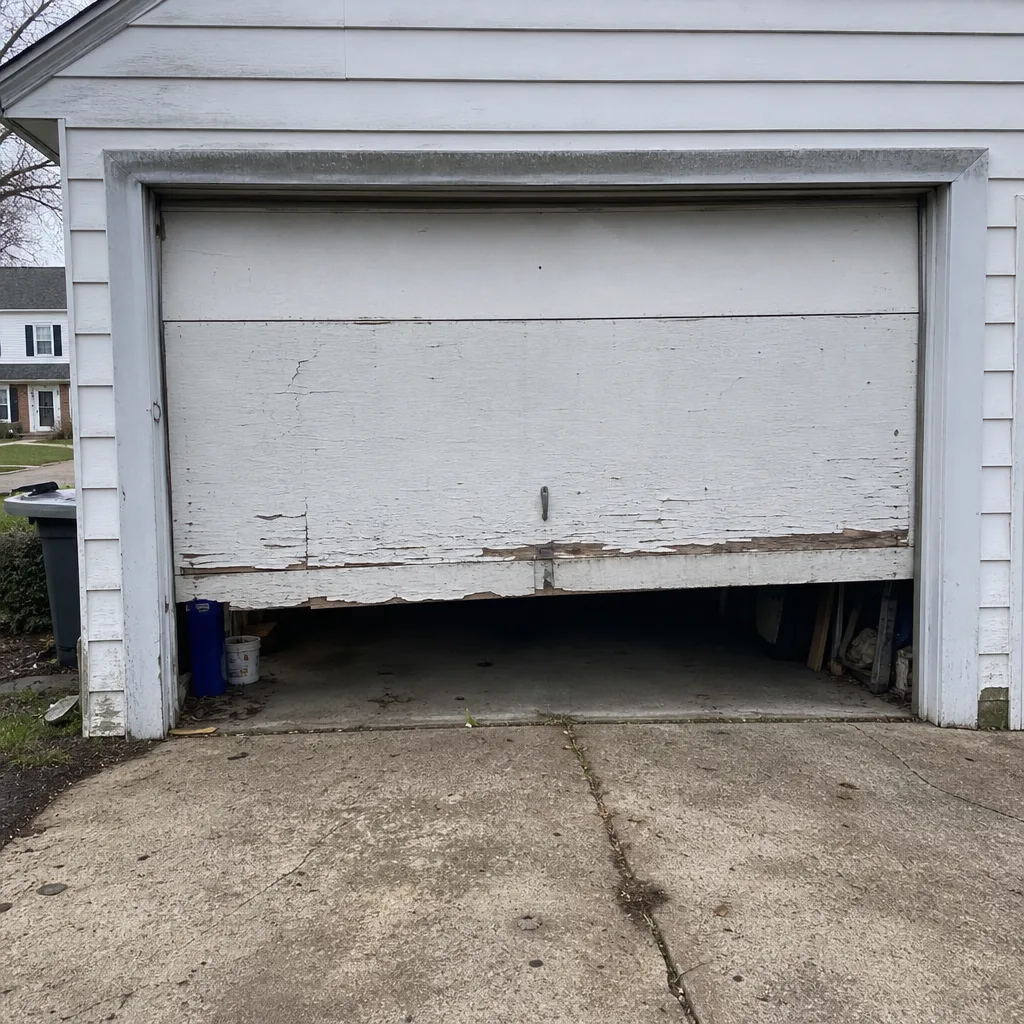 Before
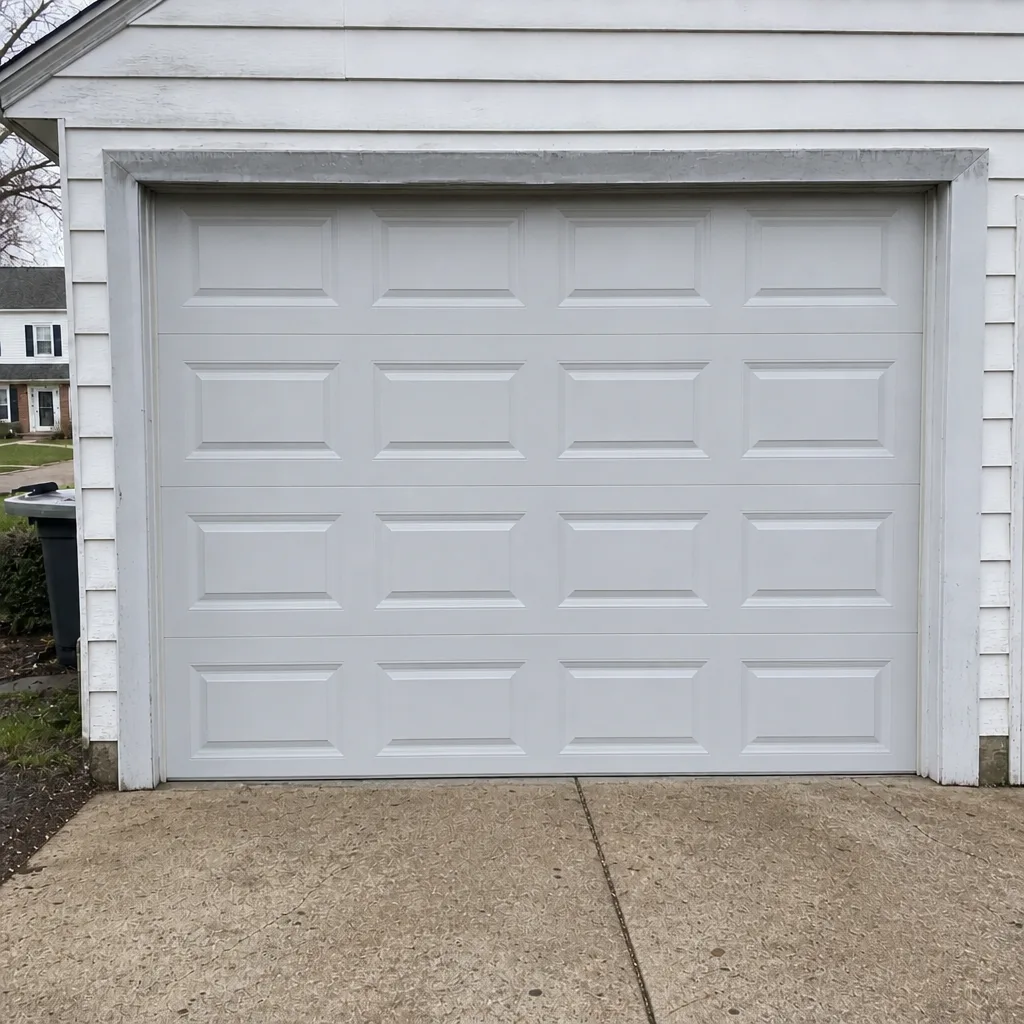 After
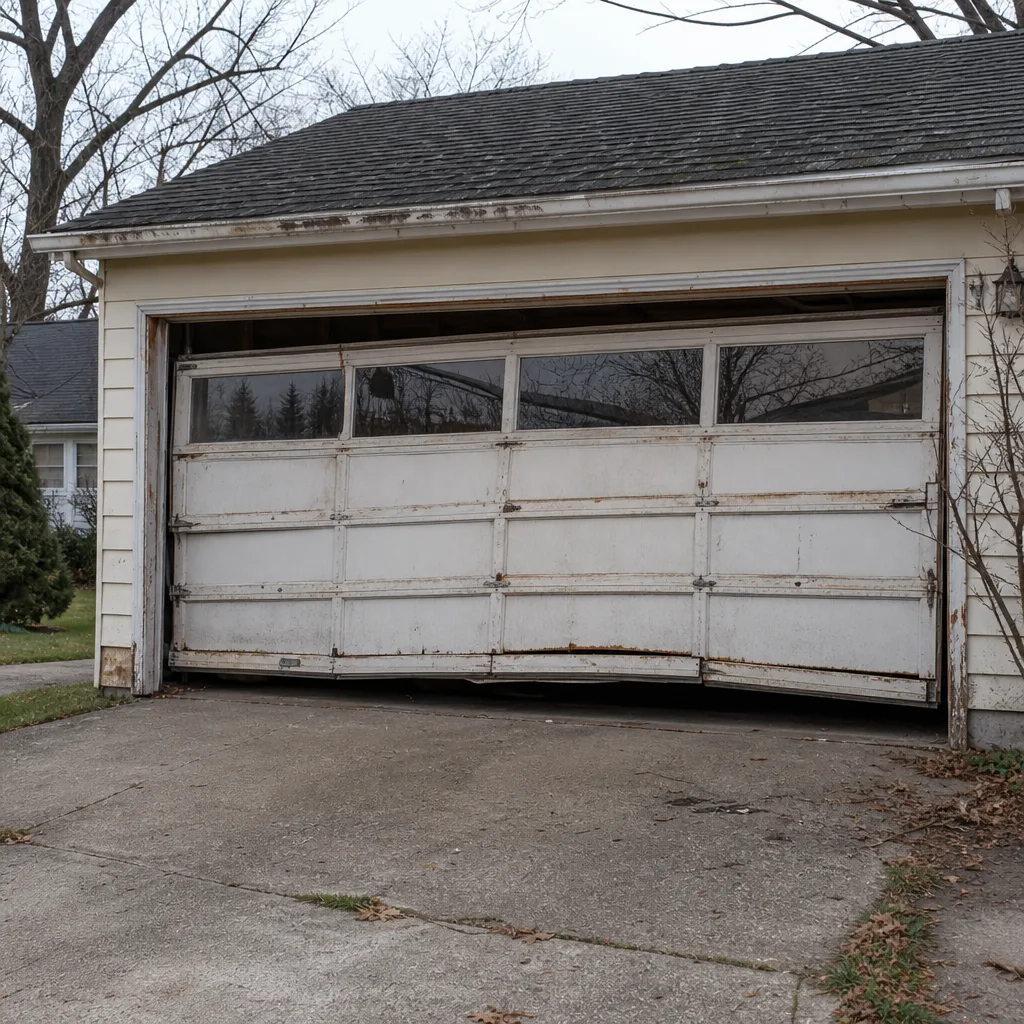 Before
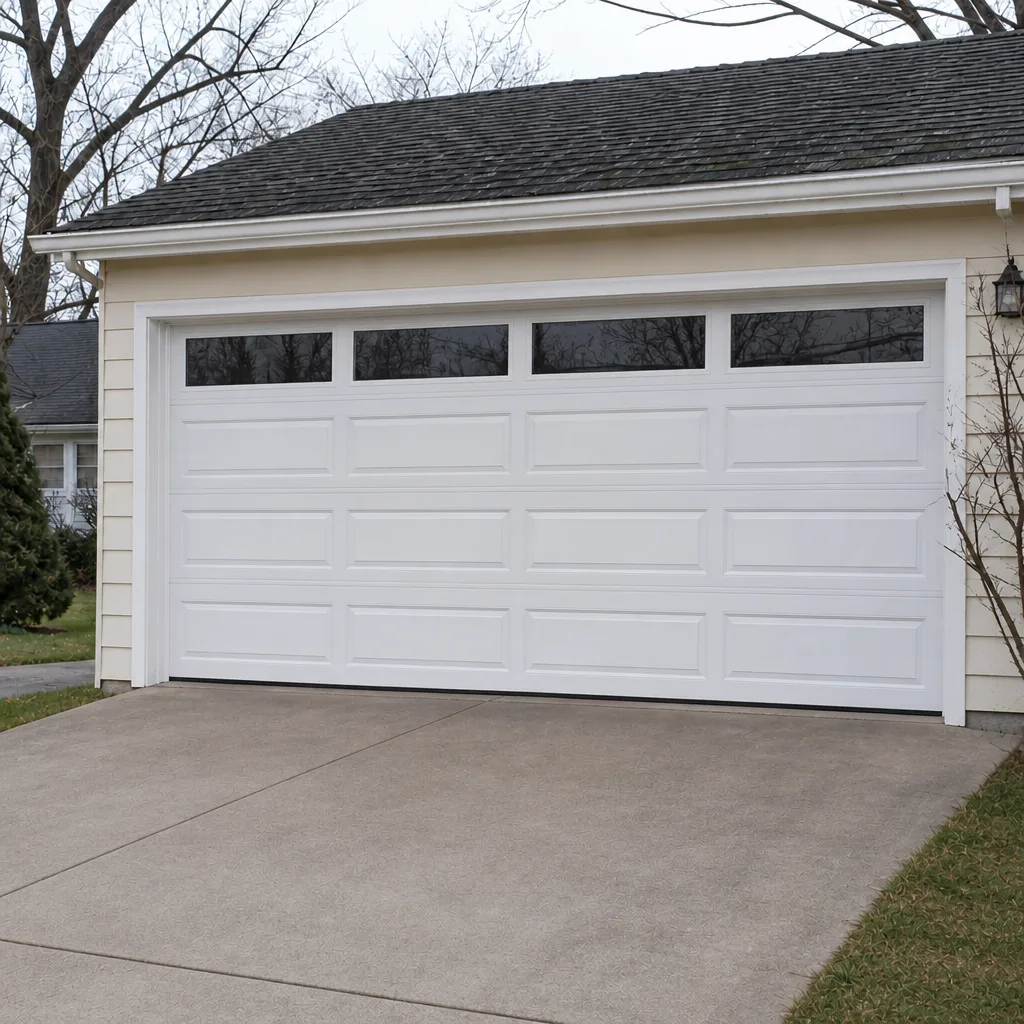 After
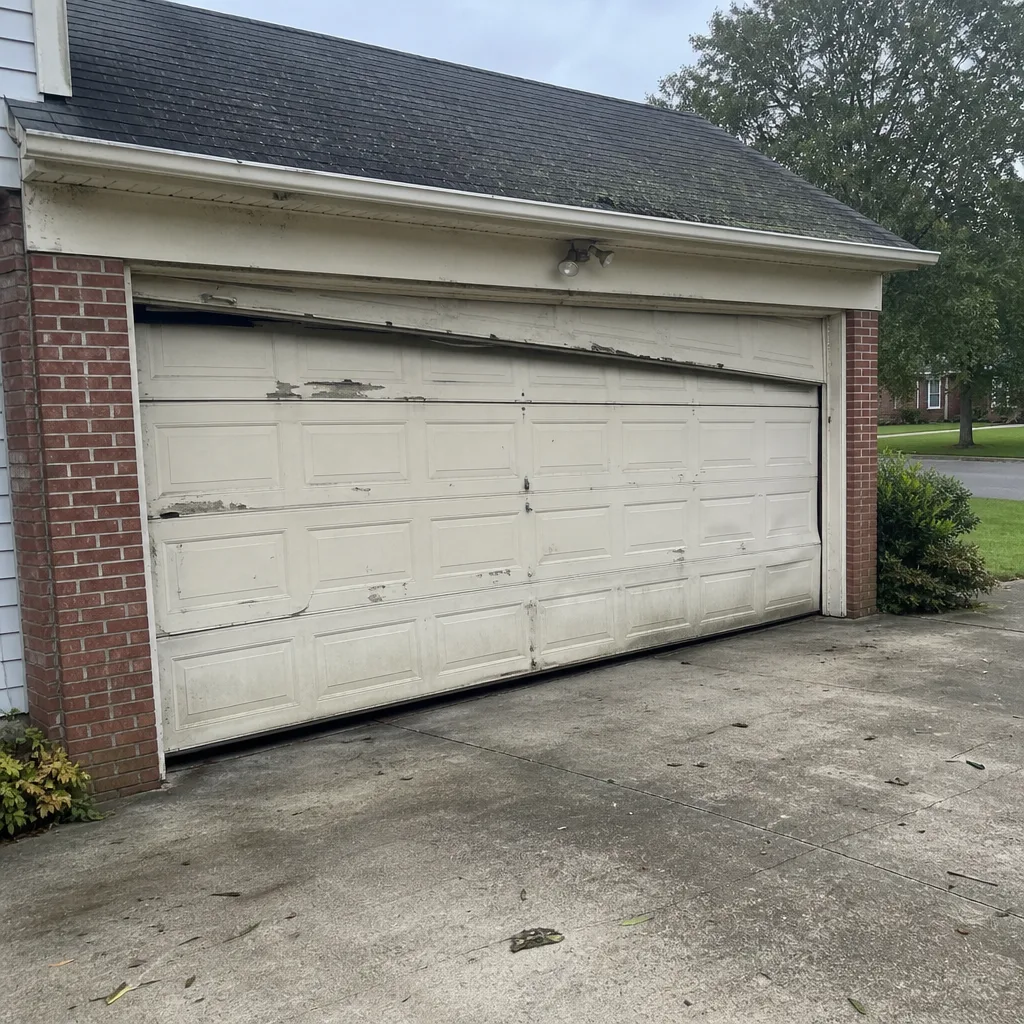 Before
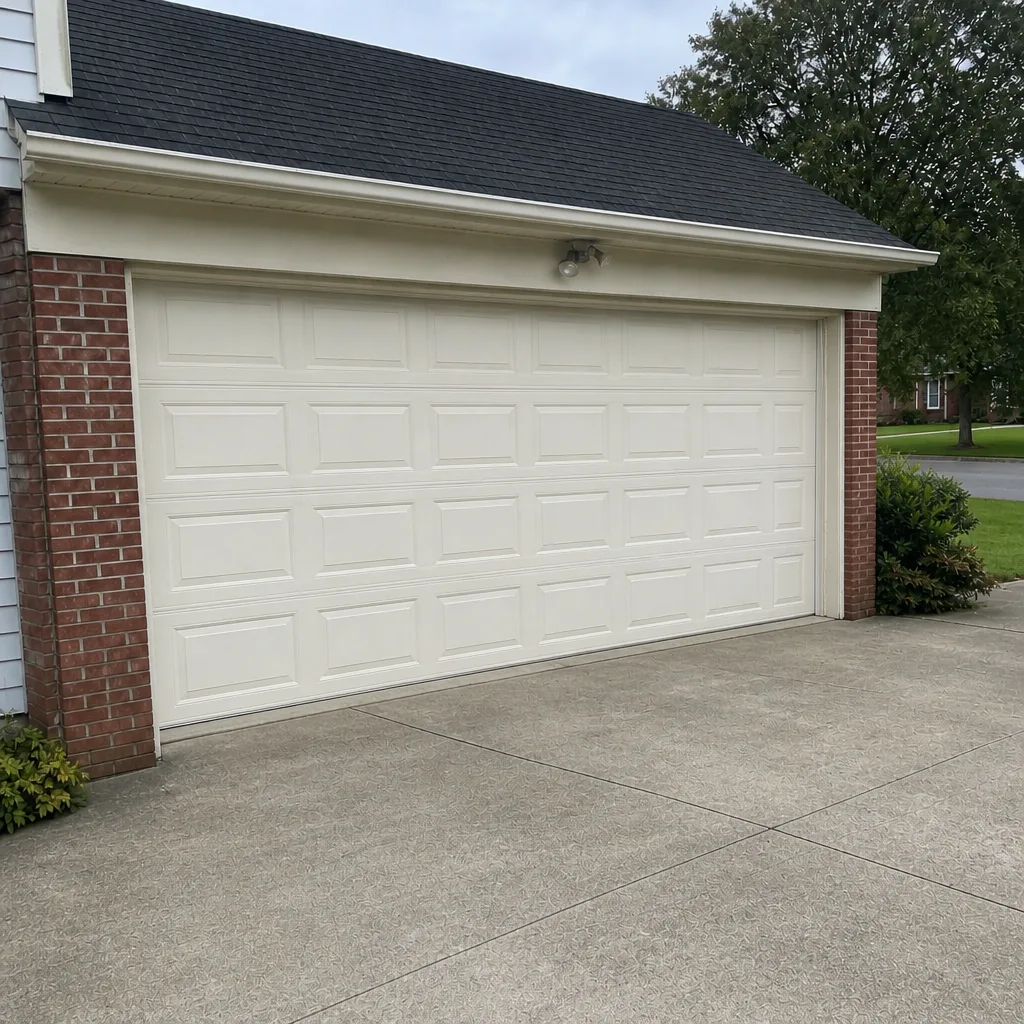 After