
Last updated November 20, 2026
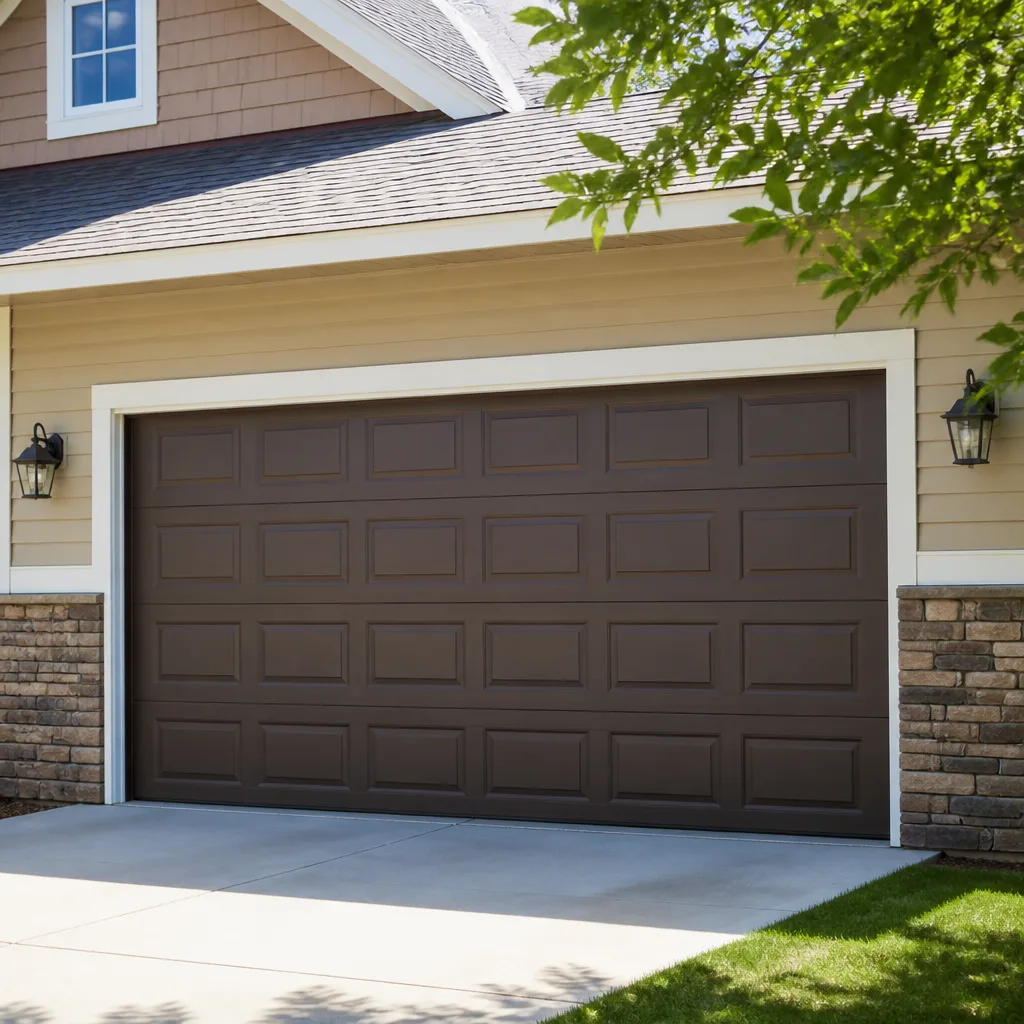 Raised-panel steel
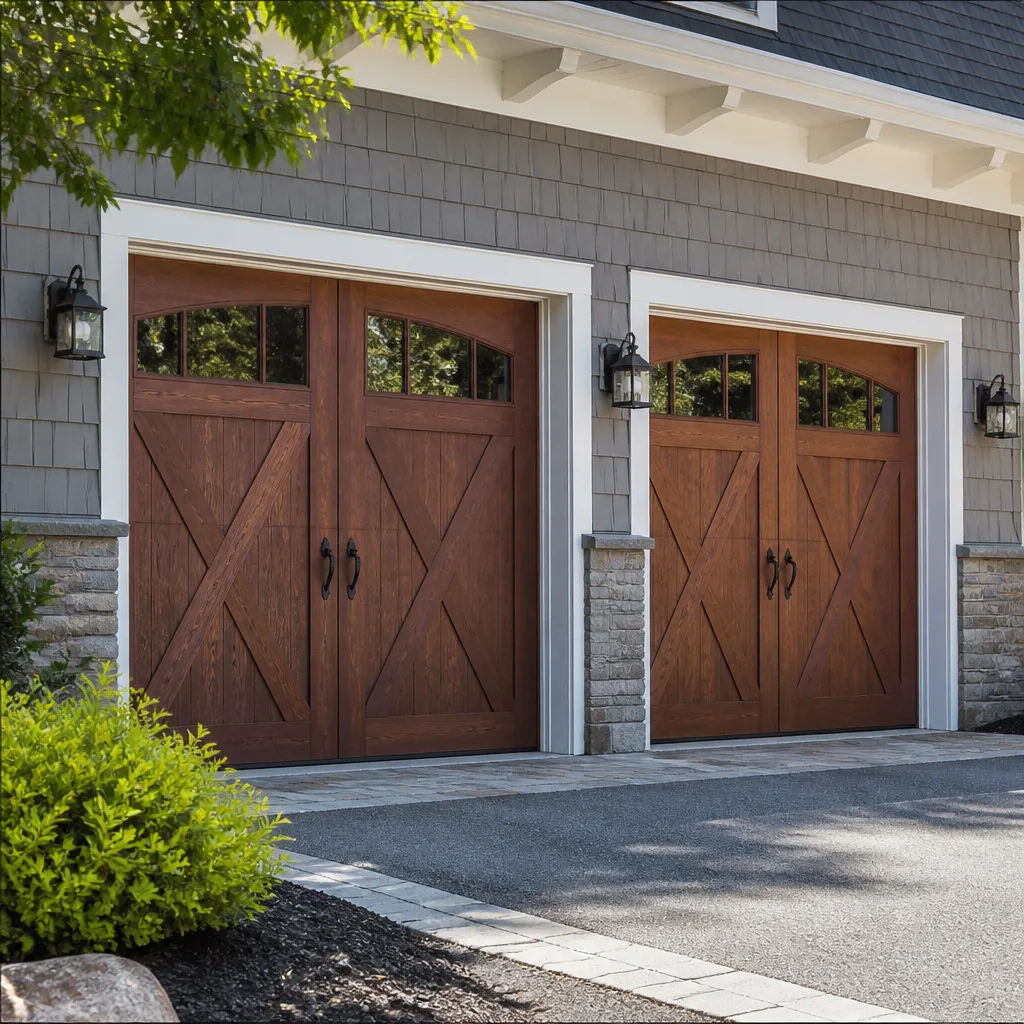 Carriage house
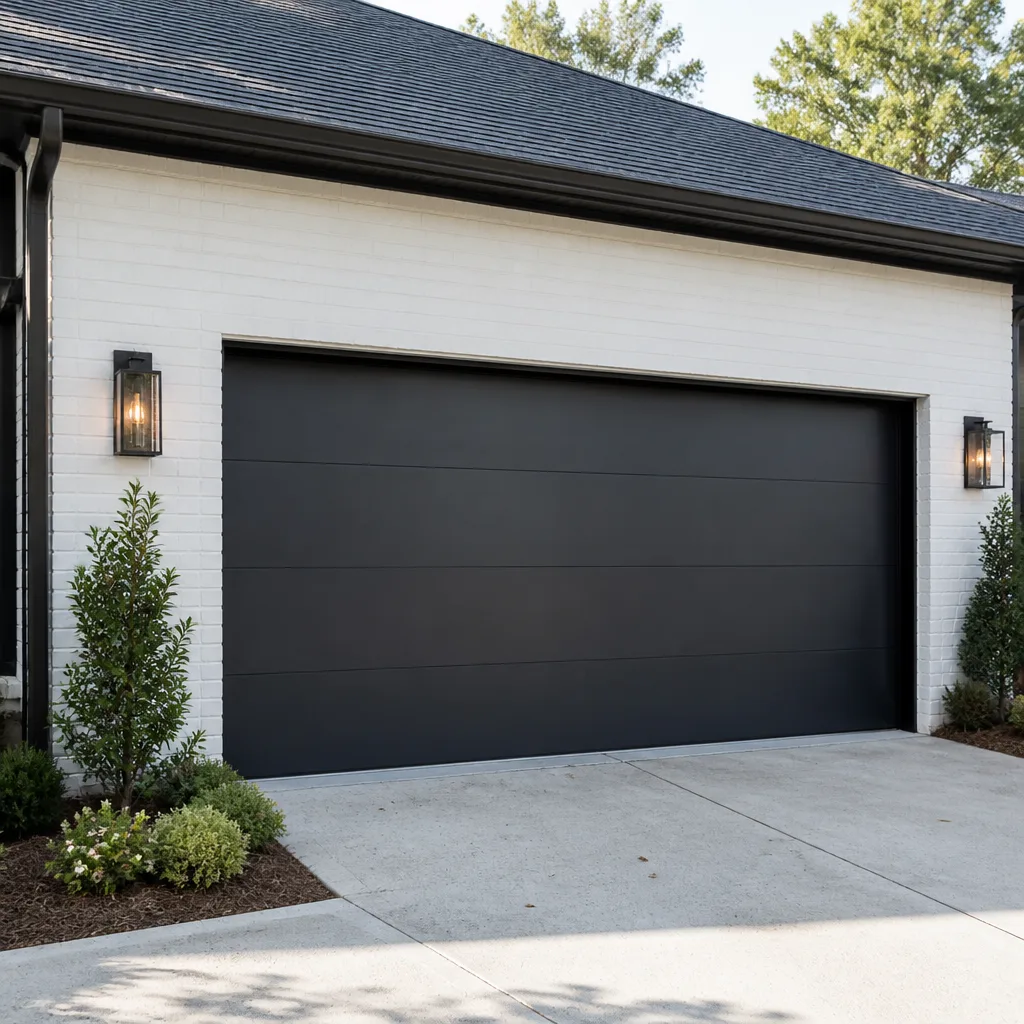 Modern flush
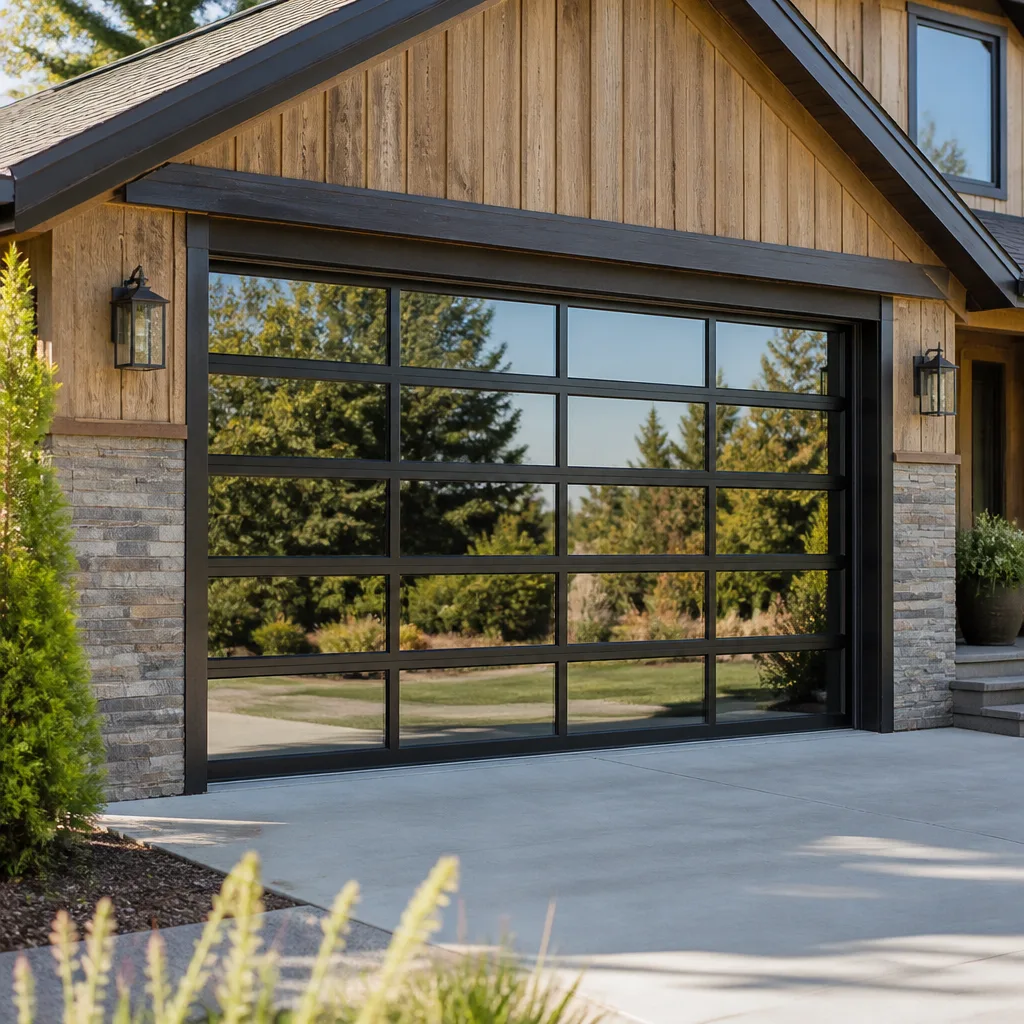 Full-view glass
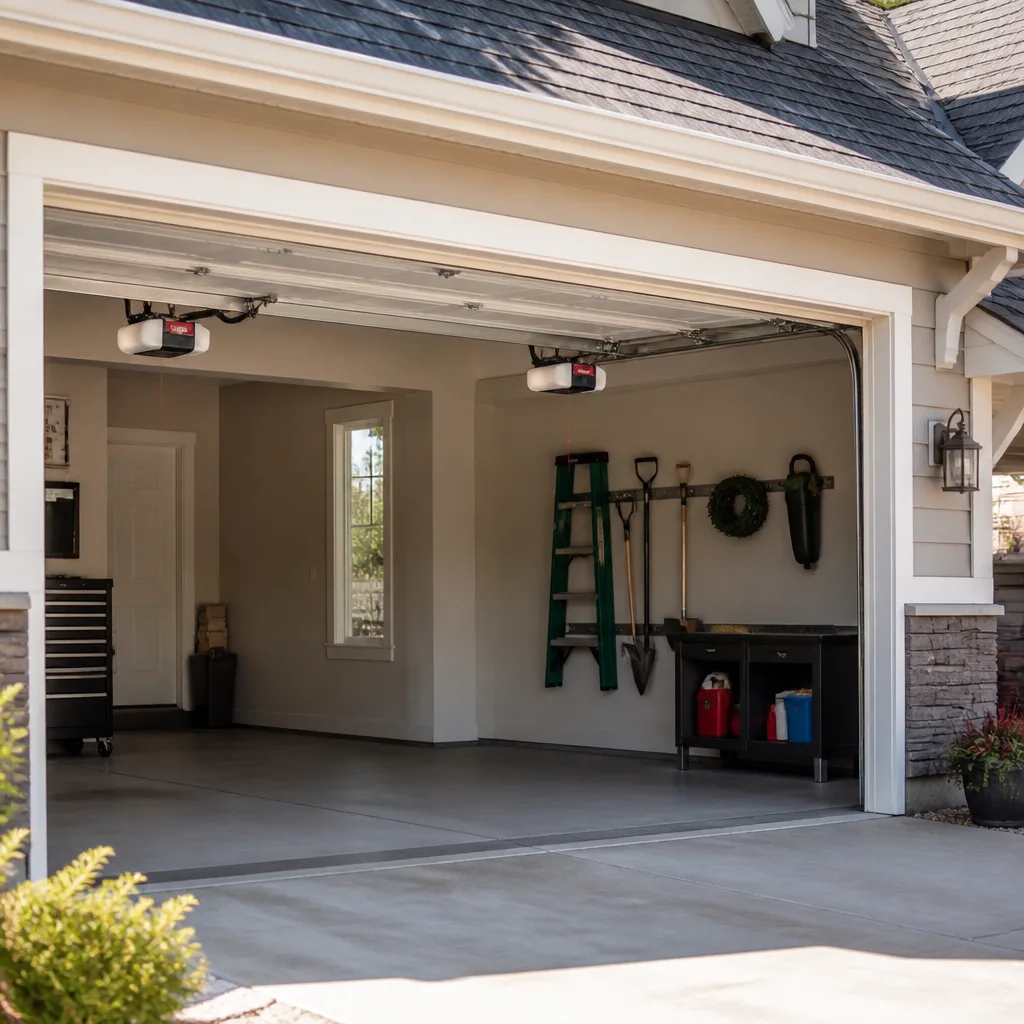 LiftMaster openers
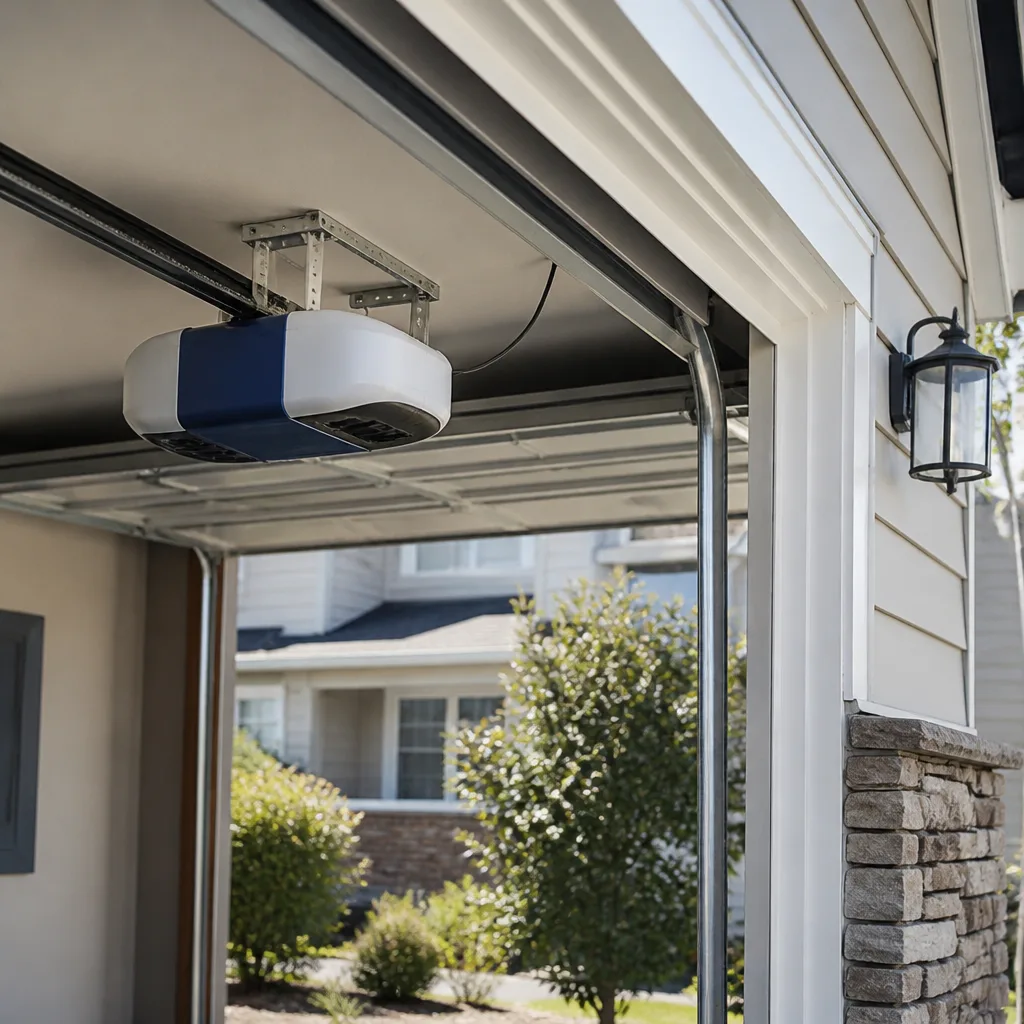 Chamberlain openers
Full 25-point door and opener safety check with every visit - springs, cables, rollers, tracks, and your LiftMaster or Chamberlain opener included
You get a price before we start. It does not change when the pro arrives.
Get your free estimateGarage Door Permits, Codes & Inspections in Princess Anne, VA: What You Need to Know
Most homeowners treat the permit question as paperwork to sort out later, or as something that only matters for a room addition. Then the door fails, the claim goes in, and the adjuster asks who pulled the permit. In Princess Anne, VA, a garage door replacement without the required permit is a quiet problem that surfaces at exactly the worst moment: a storm claim, a home sale, or a title search. This guide walks through when a permit applies and when it doesn’t, what Virginia’s code actually requires for structural header work, how wind load ratings are handled here, what an inspector looks at, and what happens to an uninspected job at closing. We work on doors in Princess Anne every week, so we’ll be specific.
Quick Answer
In Princess Anne, VA, like the rest of Virginia Beach, a straight replacement of a garage door on an existing opening, keeping the same size and no structural changes, typically does not require a building permit. Anything that alters the garage’s structure does. Widening or raising the opening, removing or modifying the header, changing the door to a roll-up, or changing from a single door to a double all trigger a permit and inspection. Wind load compliance still applies to the door you install even when no permit is pulled. When you’re not sure, call the city’s building department before you order the door.
Styles & brands we work with
- Raised-panel steel
- Carriage house
- Modern flush
- Full-view glass
- LiftMaster openers
- Chamberlain openers
Table of Contents
- Does a garage door replacement need a permit in Princess Anne, VA?
- What triggers a permit under the Virginia Uniform Statewide Building Code
- Structural header modifications: the Virginia Beach / Princess Anne rules
- Wind load ratings and code compliance for Princess Anne properties
- What inspectors actually check, and where jobs fail
- Unpermitted work and Virginia property disclosure
- When it’s repair, not replacement, and codes stay out of it
- A step-by-step permit process for a Princess Anne door replacement
Does a garage door replacement need a permit in Princess Anne, VA?
In most cases, no. A like-for-like replacement of a garage door on a Princess Anne home, same rough opening, same size, same track configuration, same operation, generally falls under ordinary maintenance and repair and doesn’t need a building permit. That’s true regardless of whether the door is a Clopay, an Amarr, or a Wayne Dalton.
The permit logic changes the moment you’re doing something other than replacing a door with a door of the same size in the same opening. The Virginia Uniform Statewide Building Code treats structural changes to a building’s envelope as work that requires a permit and an inspection. A garage door opening is part of that envelope.
Here’s a short way to think about it:
- Same opening, same size, same door type: typically no permit needed.
- Opening size changes by even a few inches: permit territory.
- Header changed, cut, supplemented or removed: permit required.
- Converting a manually-operated door to an opener on an existing door: usually no building permit, though the opener has its own safety requirements.
- Converting a solid wall to a new garage door opening: definitely a permit, and you’ll need engineering.
We’ve seen homeowners in Princess Anne assume “no permit” means “no rules” and swap a ten-foot door for a twelve-foot one because the price difference was small. That’s a structural change to the opening, and doing it without a permit creates exactly the kind of problem the rest of this guide is about. If your door just stopped working and you need it fixed, not replaced, that’s a different conversation entirely, and you can reach us through garage door repair. For the permit question, here’s the point: the permit isn’t about the door. It’s about the opening.
What triggers a permit under the Virginia Uniform Statewide Building Code
Virginia’s statewide code applies in every locality, with local amendments layered on top. The code draws a line between “repair” and “alteration,” and the line sits at structural work. Replacement of a fixture or a component within an existing envelope is generally repair. Changing the envelope, the framing that carries it, or the way load transfers through it is an alteration, and alterations are what the permit office cares about.
For a garage door, the load question is the whole story. A garage door opening is an interruption in a load-bearing wall. Whatever spans that opening, whether it’s a steel header, an LVL beam, or a doubled-up dimensional lumber assembly, is carrying the weight above the garage. Change the opening size and you change the load that header carries, which is why the permit office wants to see it if you do.
What a garage door permit typically requires in Princess Anne:
- A permit application listing the address, the scope, and the contractor.
- A drawing or plan showing the existing opening and the proposed change.
- Header details, including material, size, and how it attaches to the surrounding framing.
- Wind load documentation for the door being installed, since the door is part of the building envelope.
- A rough framing inspection before the door goes in, and a final inspection after.
- A final sign-off that the work matches what was permitted.
If all you’re doing is replacing a door into the same opening and none of that changes, you eliminate most of that list by not crossing the alteration threshold. That’s the answer most Princess Anne homeowners are looking for: a straight replacement is a door, not a building project. A changed opening is a building project with a door on the end.
Structural header modifications: the Virginia Beach / Princess Anne rules
Princess Anne is part of Virginia Beach, so the permit is pulled through the city’s building department, not a separate Princess Anne office. The rules for header modifications in this jurisdiction are the rules for structural alterations anywhere in the code, applied by a local reviewer who is looking for a very specific set of things.
When you modify a garage door header, you’re changing the way the wall above the opening transfers load to the columns on either side. The reviewer is going to want to see:
- The original opening dimensions and the proposed dimensions, called out clearly.
- The new header material and size, specified, not described.
- How the header attaches at each end, with the hardware or hanger called out.
- The loads being carried by the header, including roof and second-floor framing where it applies.
- Design details signed off by a design professional if the change is substantial.
Here’s the part almost no one mentions. Once the header is modified, the inspection sequence gets tighter. The framer has to finish, the header has to be exposed, and the inspector has to see it before the door and the trim go on. If a Princess Anne homeowner prices the door, orders it, and installs it before pulling the permit, the inspection can’t happen the way it needs to. The work is already covered, which means it can’t be verified, which means the permit closure is complicated.
That’s the scenario that turns a $3,000 door swap into a much more expensive problem. We’ve seen it happen when the header change is small enough that no one flagged it. Those are often the worst ones, because there’s no obvious sign anyone cut a corner. If your project involves a header, pull the permit first and have your door installation scheduled to follow the rough-in inspection, not race it. It’s the only sequence that closes cleanly.
Wind load ratings and code compliance for Princess Anne properties
Princess Anne, VA sits in an area where wind is a design consideration and the code treats garage doors as part of the building’s wind-resistant envelope. Even on a permit-free replacement, the door you install still needs to be rated for the load its opening will see. That’s a separate requirement from the permit, and it’s not optional just because you didn’t pull a permit.
Wind load on a garage door depends on the size of the door, the height of the building, the exposure of the site, and the code design criteria for the location. On a large, wide door, the load is significant. On a small single door, it’s smaller but still real. The rating that matters is the one the manufacturer publishes for the specific model and size, and the installed assembly (door, track, anchors, reinforcing) has to match that rating.
What homeowners should know about wind-rated installations in Princess Anne:
- The door and the hardware are rated together. A rated door on under-rated track and anchors isn’t a rated installation.
- Anchor type matters. The wrong anchor into brick veneer or old framing can drop a rated door well below its stated capacity.
- Wider doors need more reinforcing. Struts, hinges, and bottom brackets on a 16-foot door are different from a 9-foot door.
- Opener models don’t change the rating. A LiftMaster or Genie opener, however capable, does not increase the wind capacity of the door assembly.
- The rating documentation should be kept. It’s what an inspector looks for and what an insurer asks for after a claim.
If you’re ordering a replacement in Princess Anne, ask for the wind load documentation at the point of sale and keep it with your home records. It’s a single sheet of paper that answers a lot of questions later. Whether your system is an older Craftsman chain drive or a newer smart opener, the door assembly carries the wind rating, not the motor, and that’s the piece to save.
What inspectors actually check, and where jobs fail
An inspection is not a review of how nice the door looks. Inspectors are verifying that the structure you changed matches what you permitted, and that the door in that opening is what the code requires for its location and size. Most of what fails isn’t the door. It’s the framing and the sequence.
What inspectors check on a garage door alteration in Princess Anne:
- The opening size matches the permitted plan.
- The header material, size, and attachment are as specified.
- Framing is complete and to code, with the correct fasteners for the wall type.
- The door’s wind rating matches or exceeds the code requirement for the location.
- The header is exposed for the rough inspection, then closed in properly afterward.
- The final inspection verifies the installed assembly and any required labeling.
Common fail points we see or hear about:
- Header isn’t exposed. The rough inspection happens before the door and trim close it off. If the door went in first, the inspector can’t see what they’ve been asked to verify.
- Wind rating mismatch. The door is rated, but the track, anchors, or reinforcing aren’t matched to it. The rating is a system, not a sticker.
- Fastener selection. Anchors into a given wall type have to suit that wall type. Using the wrong ones leaves a rated door on an unrated install.
- Scope creep. The opening ended up slightly wider or taller than the permit showed, because a door came in a size the homeowner didn’t expect. Size changes trigger re-inspection.
- Framing not brought to code. Older Princess Anne homes sometimes have garage framing that’s been modified informally over the years and won’t pass as-is. Better to find out before the door is ordered.
We’ve watched this play out enough times to say it plainly: the inspection is easy to pass if the job is sequenced correctly. It’s hard to fix when the door is already hanging. If your project is heading toward a permit and inspection, plan the door order around the rough framing inspection, not around when the door arrives from the supplier.
Unpermitted work and Virginia property disclosure
When a Virginia home is sold, the seller’s property disclosure statement asks whether the seller knows of any work done on the property without the required permits. That’s the direct question. A second question, less direct but more consequential, is whether the buyer’s inspector or their lender will raise it. Unpermitted garage door work that changed the opening or the header will usually surface in a buyer’s inspection or in a title search that reveals a missing permit.
What that means in practice for a Princess Anne homeowner:
- The work doesn’t disappear because it’s done. A permit that was never pulled can be pulled retroactively in many cases, but the process can include opening the walls back up so the inspector can see the framing. That’s expensive.
- Insurance claims get reviewed. If a wind or impact event damages the garage opening and the door was installed without required permits or without documented wind ratings, the claim has a problem. The policy covers what was built to code, and the insurer will ask whether the assembly was.
- Disclosure creates a paper trail. Failing to disclose a known unpermitted alteration isn’t just a technical issue. In Virginia, disclosure obligations are specific and a buyer who discovers a material omission has remedies.
- Title transfer can be delayed. A lender can require permit records to be closed as a condition of financing. That can postpone a closing even when both sides are ready.
The insurance angle is the one worth taking seriously. A garage door is part of the building envelope, which is part of what your homeowner’s policy is insuring. If a required permit was skipped and the installation doesn’t meet the code for wind resistance, the insurer’s position on the claim gets harder than it would be otherwise. That’s what many homeowners only discover after a storm, when they’re already scrambling. Getting the permit right the first time is trivial by comparison.
When it’s repair, not replacement, and codes stay out of it
Most of the garage door work we handle in Princess Anne doesn’t touch the permit question at all. Spring replacements, opener repairs, cable and roller replacement, and panel swaps on an existing assembly are repair work on a fixture. The opening and its framing don’t change, so there’s nothing for the building department to review.
That’s a useful distinction to hold on to. If your door is broken, the answer 99 times out of 100 is a repair, not a replacement plus a permit. What those jobs look like:
- Spring replacement. Torsion and extension springs fail by design, and the replacement is a repair. This is dangerous work; a loaded spring holds enough energy to cause serious injury, and it’s not DIY territory. We handle spring repair as a standard core service, not as an add-on to some other trade.
- Opener repair. A dead motor, a stripped gear, a reversing issue, or a remote that stopped talking to the unit is a repair. Whether the system is a modern Wi-Fi opener or an older legacy drive, the fix is on the opener, not the building envelope.
- Cable, roller, and hinge work. The cables and rollers that carry the door have their own service life, and replacing them is repair.
- Panel replacement. A single damaged panel on a sectional door can be replaced without touching the opening framing. It’s a repair even though the result looks like a new door.
When repair turns into replacement on a Princess Anne home, that’s the moment to check the scope. Same size, same opening, same operation, no permit. Different size, different opening, structural change, permit. That’s the line, and it’s the one an inspector will draw if it ever comes up. When you need repair on the door or the opener, our garage door opener repair page covers the opener side in detail.
A step-by-step permit process for a Princess Anne door replacement
If your project does need a permit, the sequence matters more than anything else. Here’s the order that works in this jurisdiction, from the first call to the completed inspection:
- Confirm the scope with the building department. Call the city and describe exactly what you’re planning. The answer is authoritative, and it’s free. Don’t rely on a neighbor’s experience or a contractor’s memory.
- Have the structural plan drawn. Opening dimensions, header material and size, attachment details, and loads. A design professional signs off if the change warrants it.
- Submit the permit application. Include the drawings and the wind load documentation for the door you’ve selected. Most of the delays at this stage are missing documentation, not rejected plans.
- Order the door to the permitted size. Not to a size close to it, and not with a modification the plan doesn’t show. Size changes require a revised permit.
- Frame and header first. Do the framing and header work, then call for the rough inspection before the door and trim go on.
- Install the door after the rough inspection passes. The door, track, anchors, and reinforcing go in as a matched assembly.
- Call for the final inspection. The inspector verifies the assembly and the labeling. Get the sign-off and keep the paperwork with your home records.
When we do a full replacement in Princess Anne, we help homeowners walk through this sequence by phone so the door order, the framer, and the inspection all line up. That’s the value of a single-trade specialist on a project like this: we don’t install the framing and we don’t pull the permit, but we know exactly how a door installation has to line up with the inspection, and we schedule around it. If you’re headed toward a new door, our page on garage door installation walks through what a full replacement involves, and our garage door repair Princess Anne overview covers the services side.
Common Mistakes to Avoid
- Assuming a replacement never needs a permit. It usually doesn’t, but “usually” isn’t “always.” If the opening size changes at all, even by an inch, you cross into alteration territory and the permit is required.
- Installing the door before the rough inspection. The inspector can’t sign off on framing they can’t see. If the door is already hanging, the walls have to be opened back up, which is far more expensive than doing the sequence right in the first place.
- Skipping the wind load documentation. The door isn’t rated on its own; the assembly is. Save the manufacturer’s rating sheet for the model and size you installed. It’s the piece of paper you’ll want if a claim ever happens.
- Taking a neighbor’s experience as the rule. A Princess Anne neighbor who replaced a door without a permit may have had a same-size swap. That doesn’t mean your project, which changes the opening, can skip the same step.
- Letting the door supplier decide the size before the permit is confirmed. Once the door is ordered, a size mismatch becomes a permit change and a re-inspection. Confirm the permitted size first, then order.
- Treating a header modification as a minor tweak. A header is load-bearing framing. Any change to it is a structural alteration, and it’s the single most common source of permit problems on garage door projects in this area.
- Selling a home without addressing unpermitted work. Virginia’s property disclosure statement asks directly. A permit that was never pulled is a disclosure item and a potential closing delay, and the buyer’s inspector will look.
None of these are exotic. They’re the ordinary mistakes that happen when a project gets a little bigger than the homeowner planned and the permit question gets skipped in the rush. Catching them early is worth more than fixing them later.
See the difference
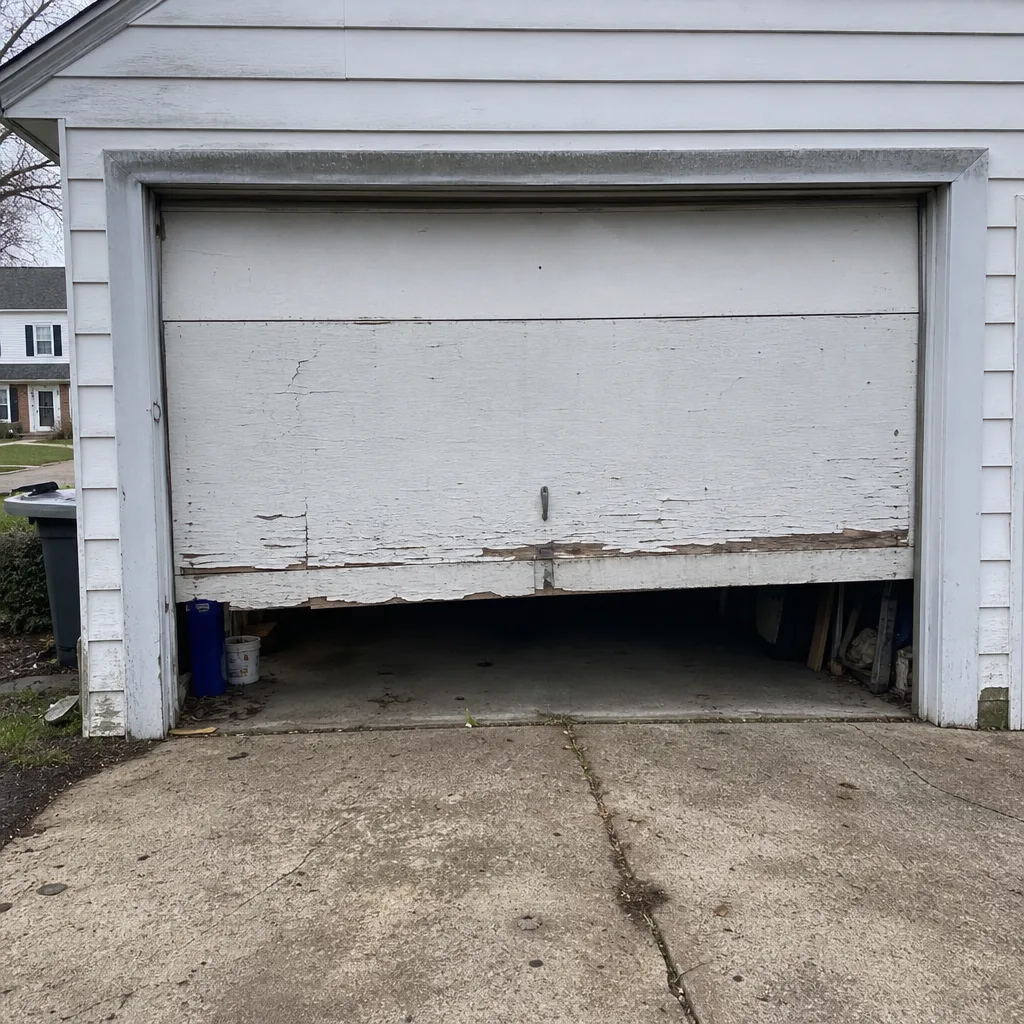 Before
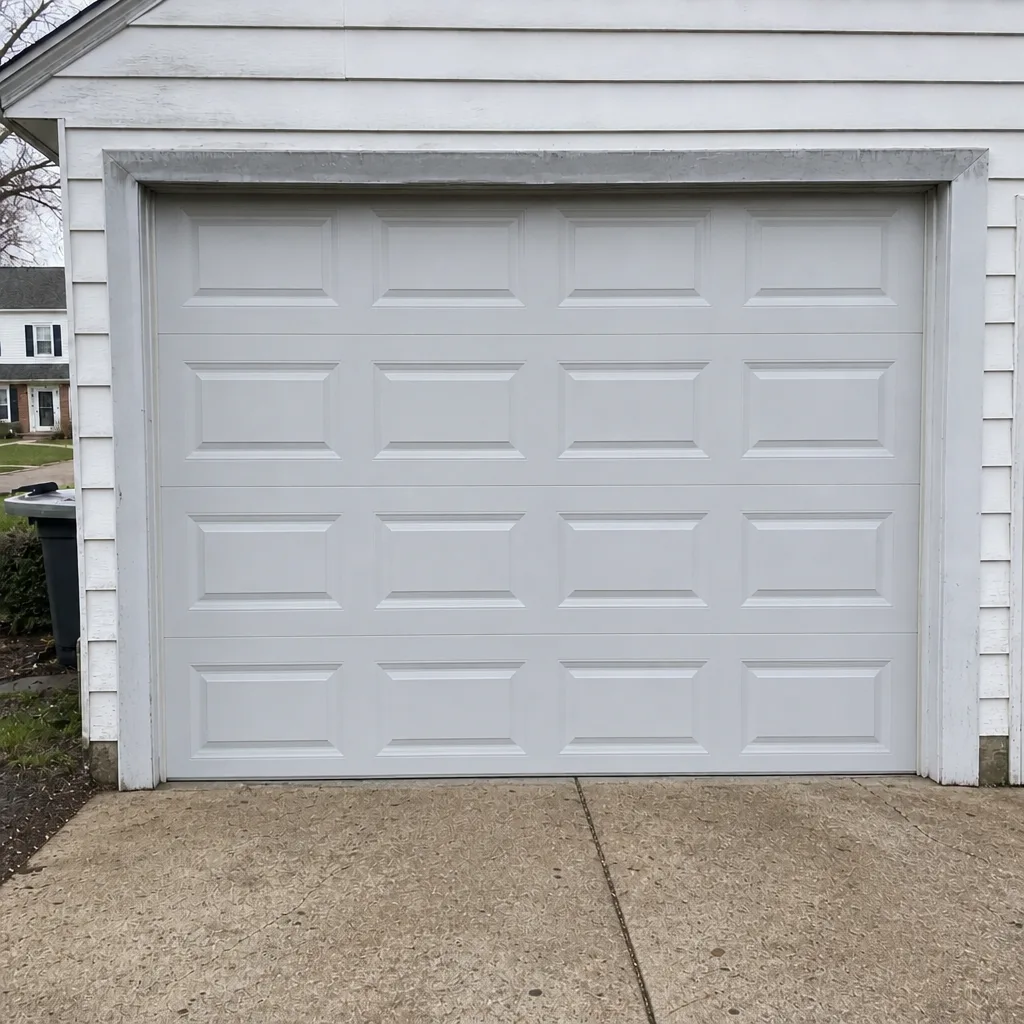 After
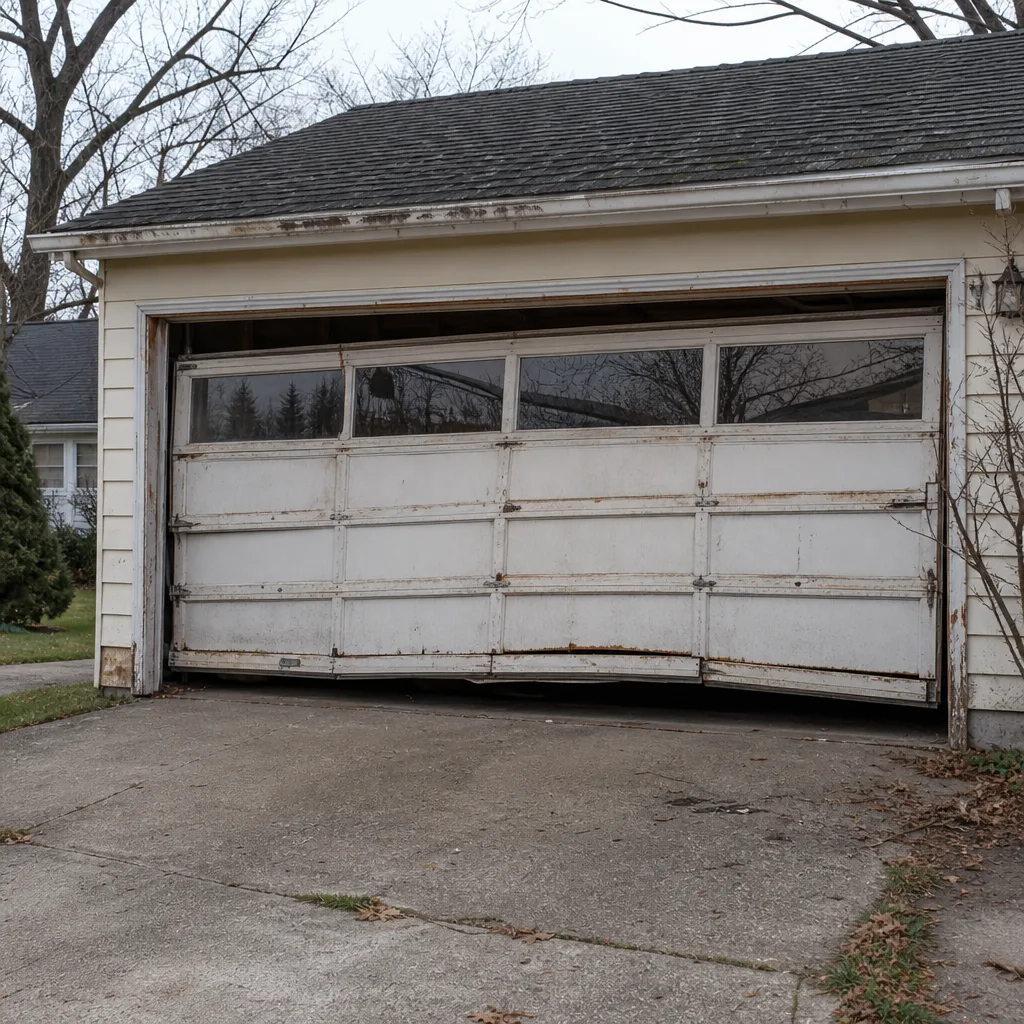 Before
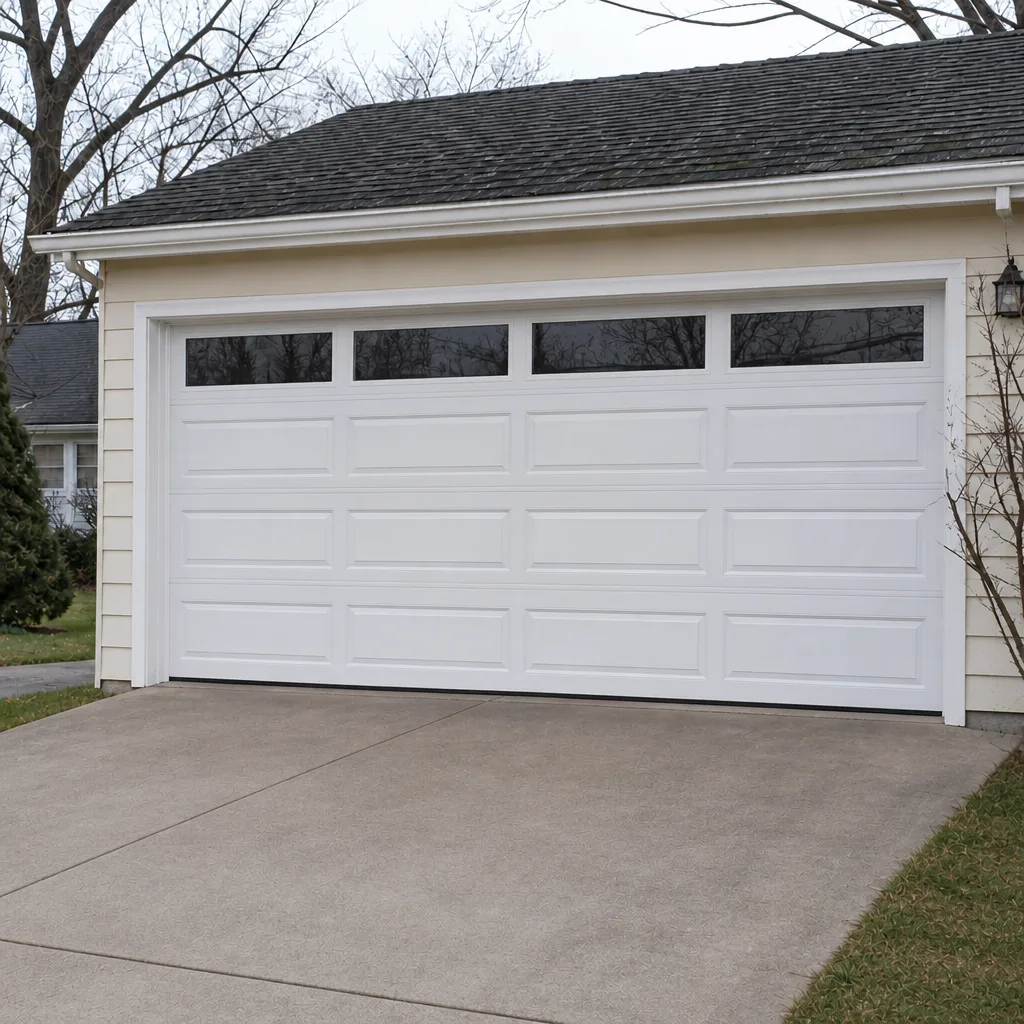 After
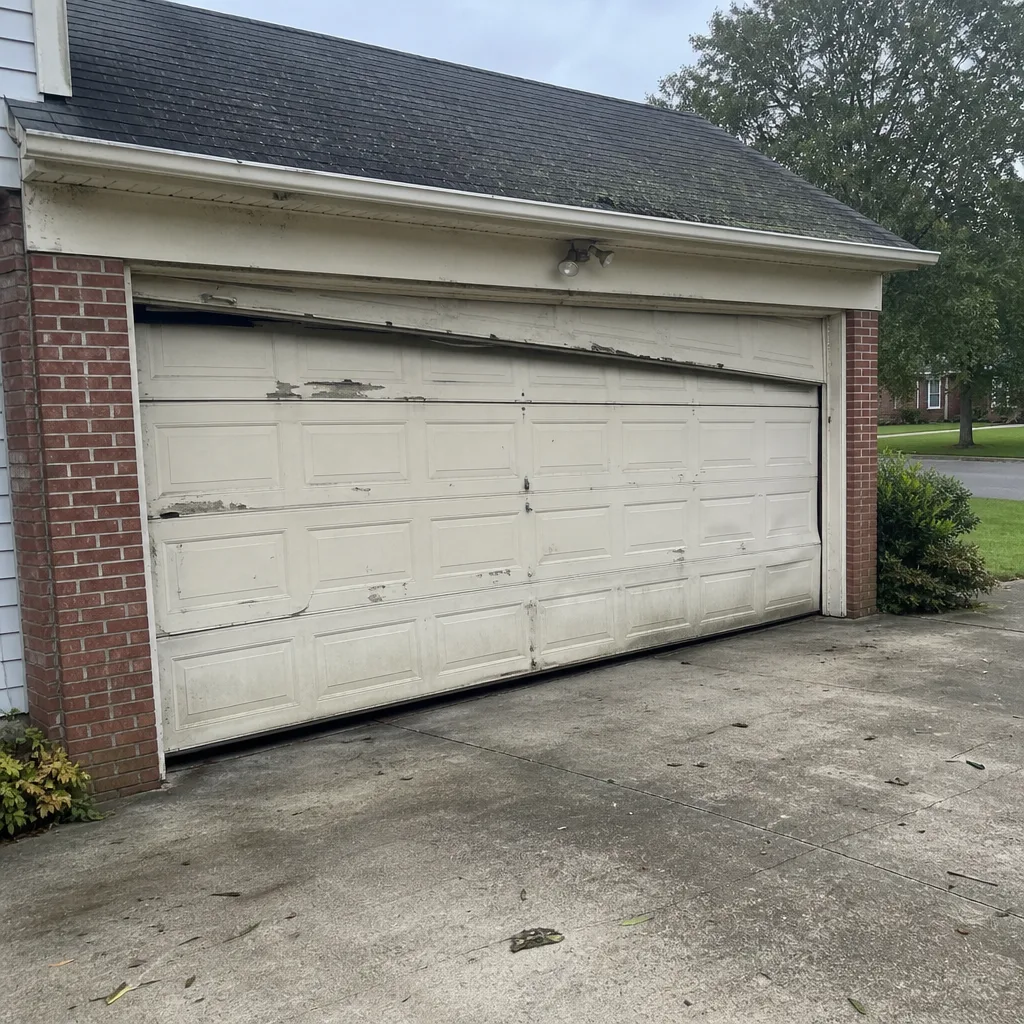 Before
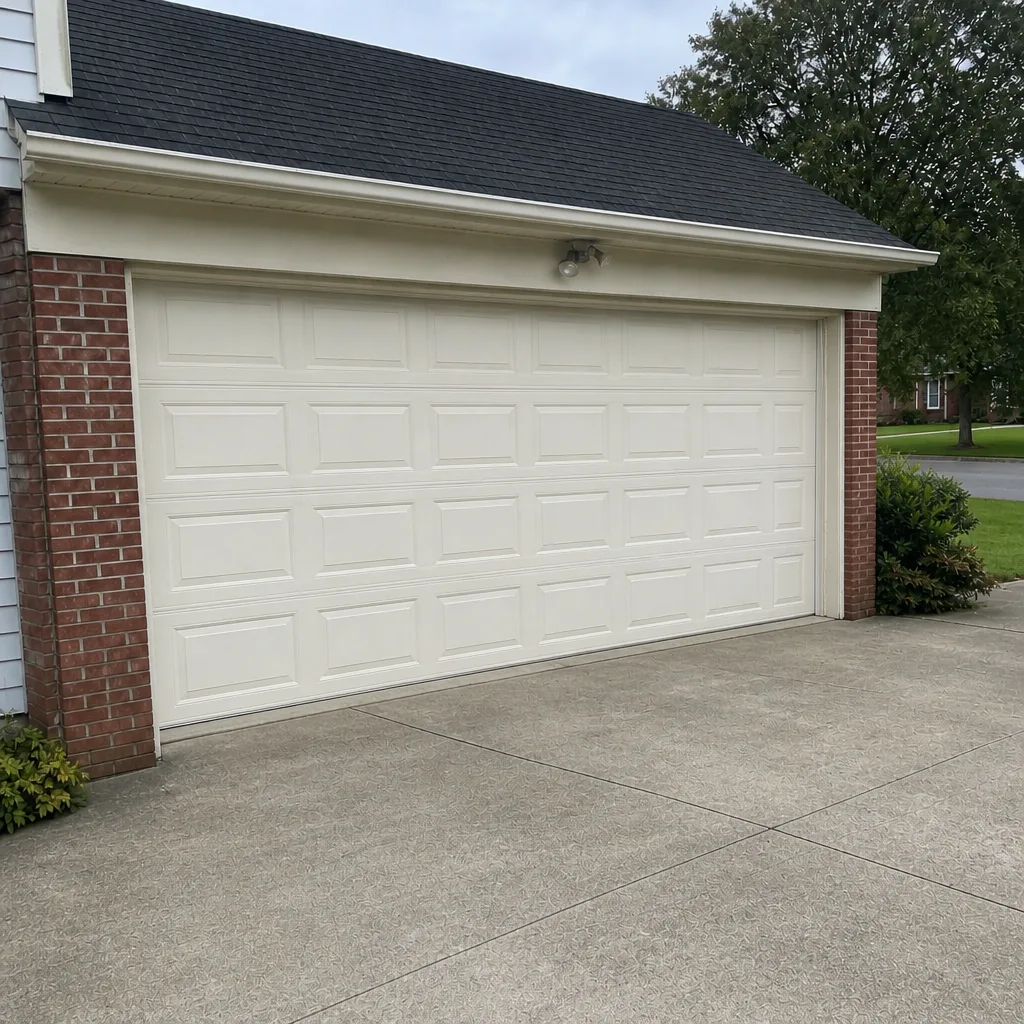 After
When to Call a Professional
Call a professional if the door or the opening is involved, not just the operating parts. Broken springs, a door that’s off its track, a door stuck open or closed, a panel that’s come loose at the hinges: all of these involve loaded hardware that can hurt someone if handled wrong, and they belong with someone who does this every day. Call for the opener side too, if the motor has failed or the door is reversing unpredictably, because a reversing problem is a safety issue. And call before you order a door if you’re not sure whether your project crosses the permit line, since a quick conversation can save you from ordering the wrong size. Garage Door Repair Princess Anne offers free estimates in Princess Anne. Call (844) 676-0048. We answer 24/7. Fast dispatch from 7am to 7pm, Sunday through Friday. Our technicians have up to 15 years of experience, and we work on LiftMaster, Chamberlain, Genie, Clopay, Amarr, Wayne Dalton, Craftsman, and Raynor systems routinely.
Frequently Asked Questions
Usually not, if you’re replacing a door into the same opening at the same size. A permit is required when the opening changes, when the header is modified, or when the structural framing around the door changes. Confirm the scope with the city’s building department before you order. Call (844) 676-0048 for an exact estimate on the door work, which is free.
No. We diagnose before we quote, and the price you agree to in the written estimate is the price you pay. If we find something on site that changes the scope, we stop and explain it before doing any of the work. Estimates are free, and the number is set before any work begins.
A repair restores an existing component, like a spring, an opener, a cable, or a damaged panel, without changing the opening. An alteration changes the structure, like the opening size, the header, or the framing. Repairs don’t need a permit and alterations do in Princess Anne. The distinction is the opening, not the door.
We connect you with independent local professionals who are licensed and insured as the state of Virginia requires. That’s the standard we hold to on every job we schedule. For a free estimate on repair, spring replacement, or opener work, call (844) 676-0048.
Yes. The code’s wind requirements apply to the door you install regardless of whether a permit was pulled for the replacement. The rating is on the assembly, so the door, track, anchors, and reinforcing all have to match. Keep the manufacturer’s rating documentation for your model and size in your home records.
It can. Virginia’s property disclosure statement asks whether the seller knows of work done without required permits, and an omission is a disclosure problem. An unpermitted alteration can also complicate a lender’s review and delay closing. Sorting the permit out before listing is far cheaper than handling it during a sale.
Often, yes. Spring and opener problems are the calls we get most in Princess Anne, and same-day service is available. Spring work is dangerous, so don’t try to manage a loaded spring yourself. Call (844) 676-0048. We answer 24/7. Fast dispatch from 7am to 7pm, Sunday through Friday.
The Bottom Line
The permit question isn’t about the door. It’s about the opening. A straight replacement in Princess Anne, same size, same opening, same operation, is generally a repair-level job with no permit required. Any structural change to the opening or header is an alteration, and that means a permit, a rough inspection, and a final inspection. Wind load compliance applies either way, and it’s the piece homeowners most often forget to keep on file. Sequence the job correctly, confirm the scope with the city first, and the rest follows without drama. The full range of door services, from garage door repair to new door and opener installation, is a phone call away. Call (844) 676-0048 for a free estimate. We answer 24/7. Fast dispatch from 7am to 7pm, Sunday through Friday.
Written by the team at Garage Door Repair Princess Anne.